Blind Spot
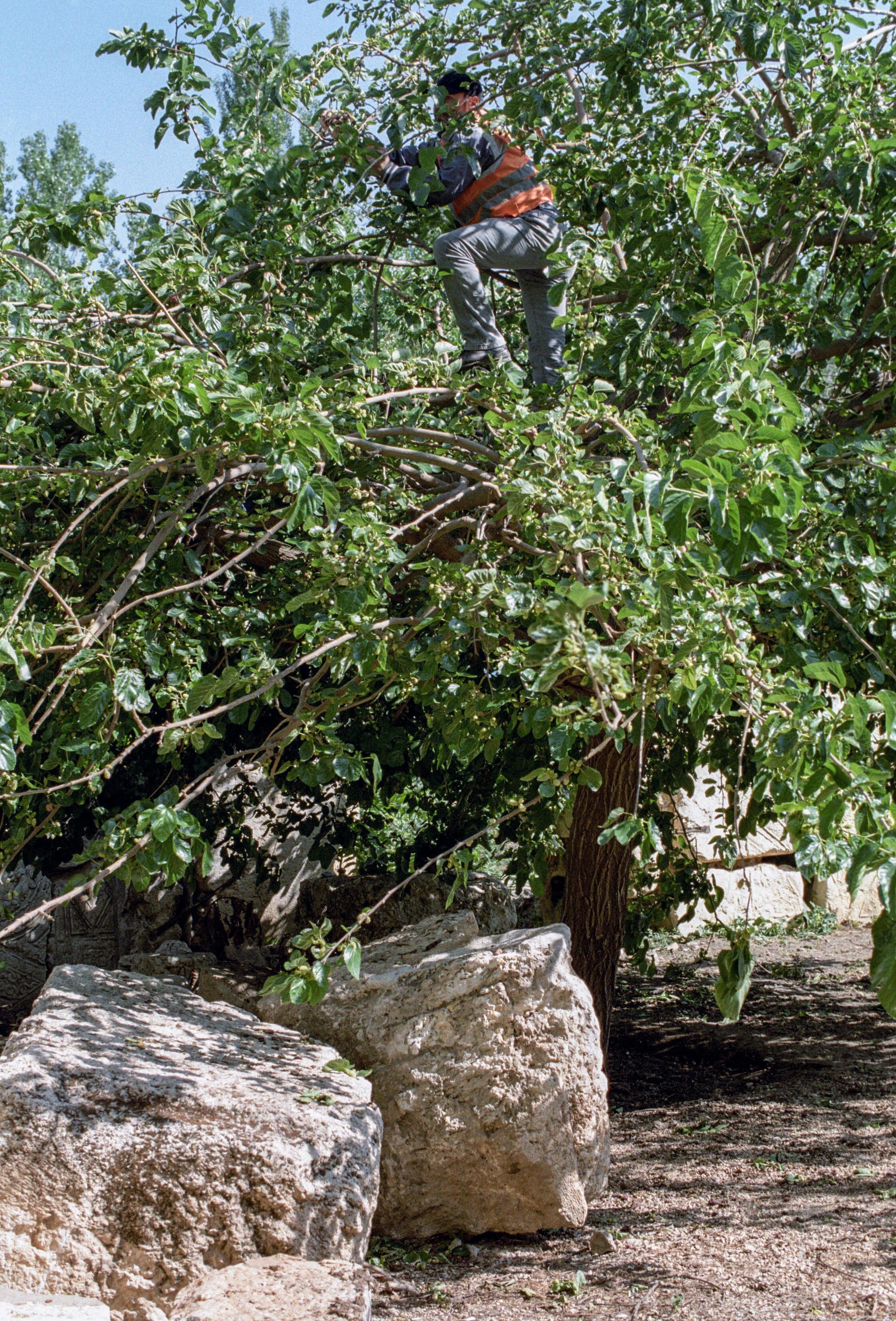
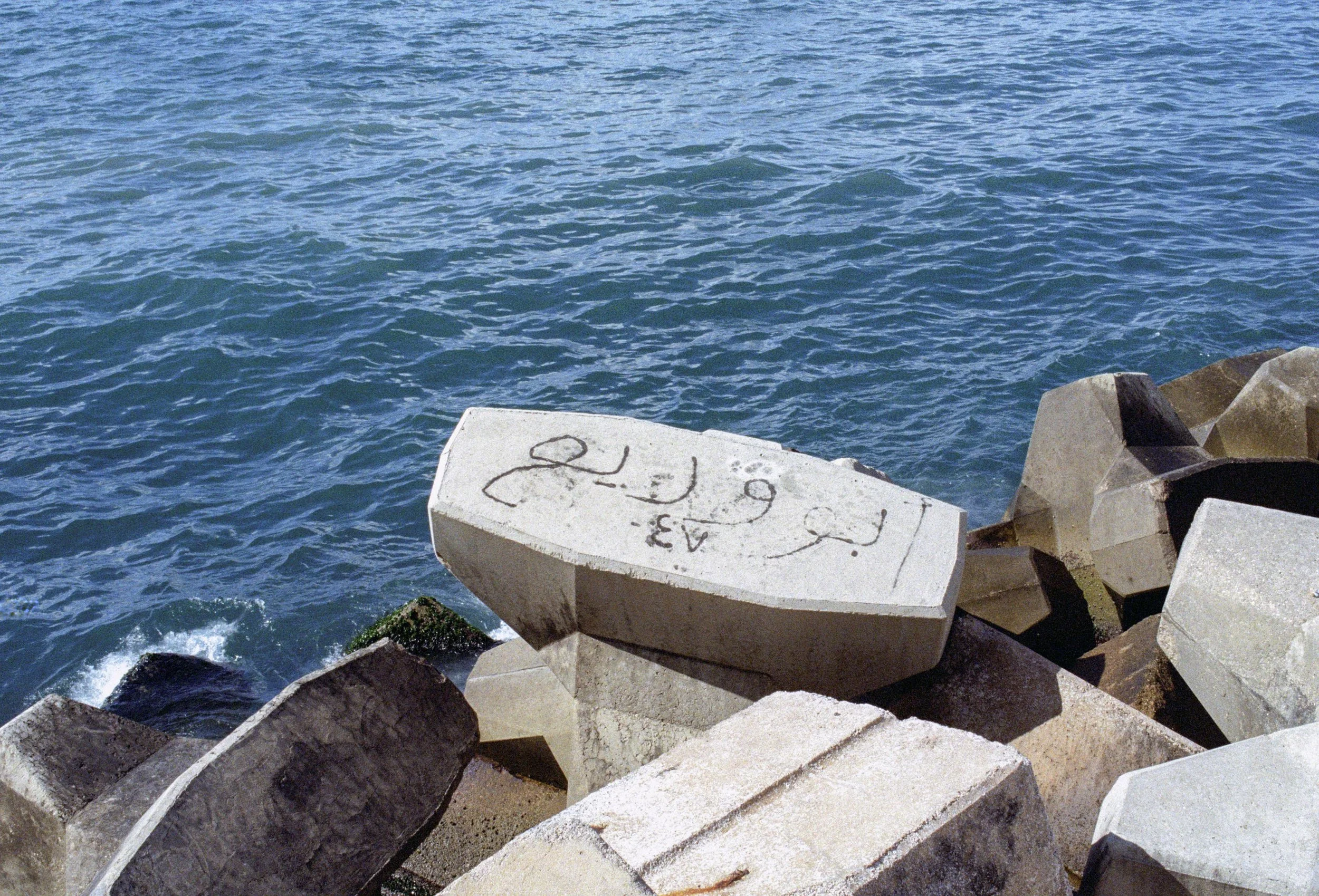
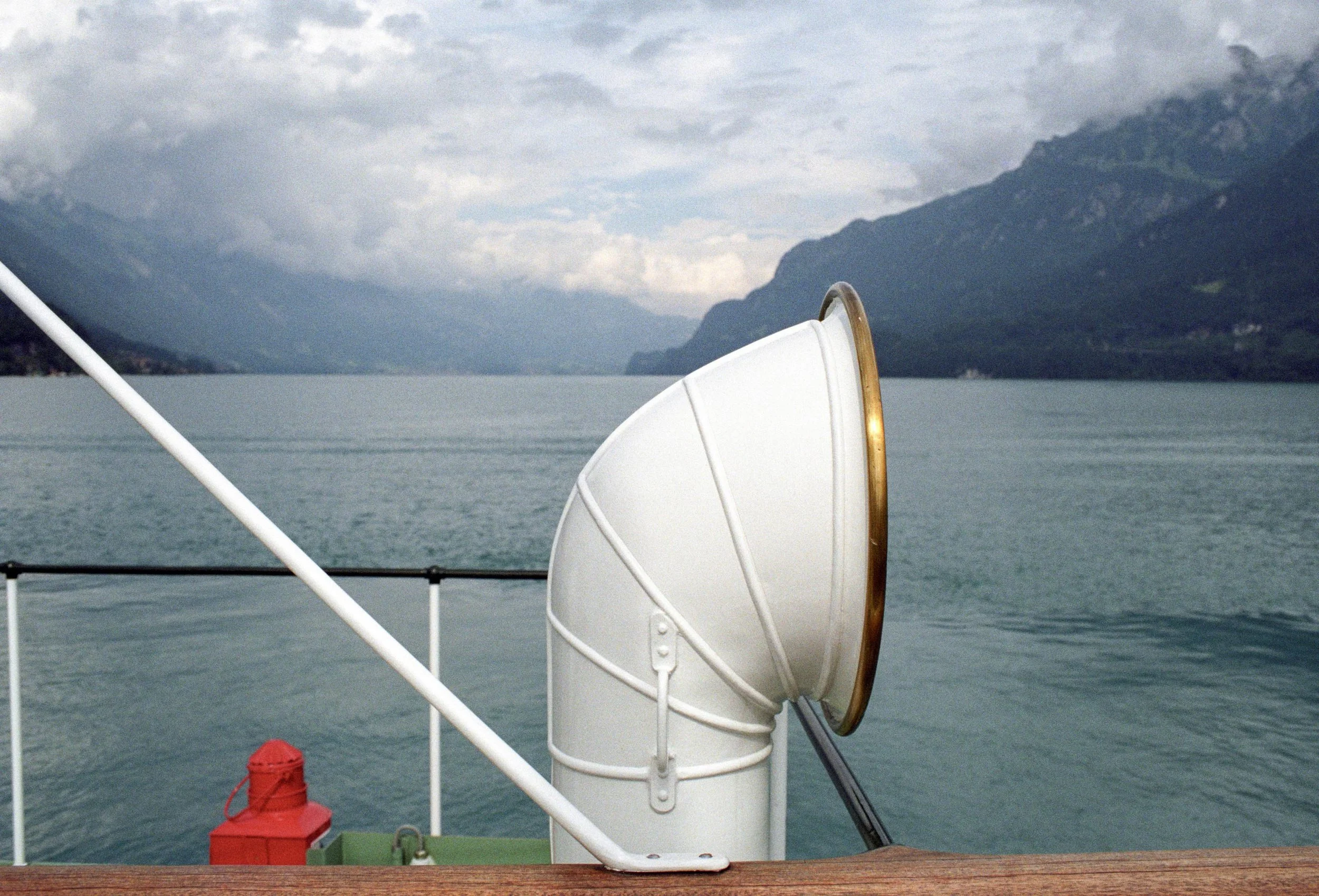
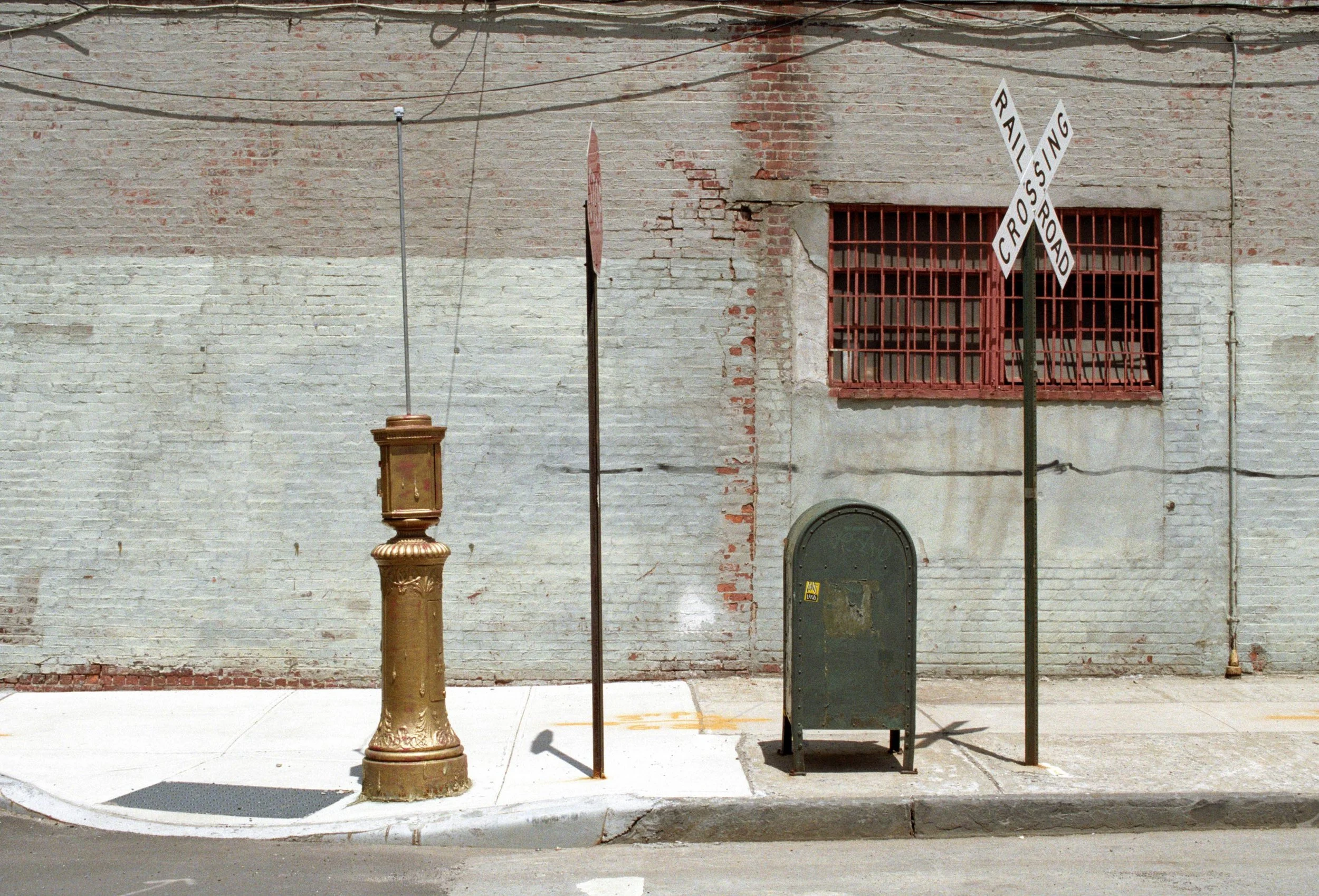
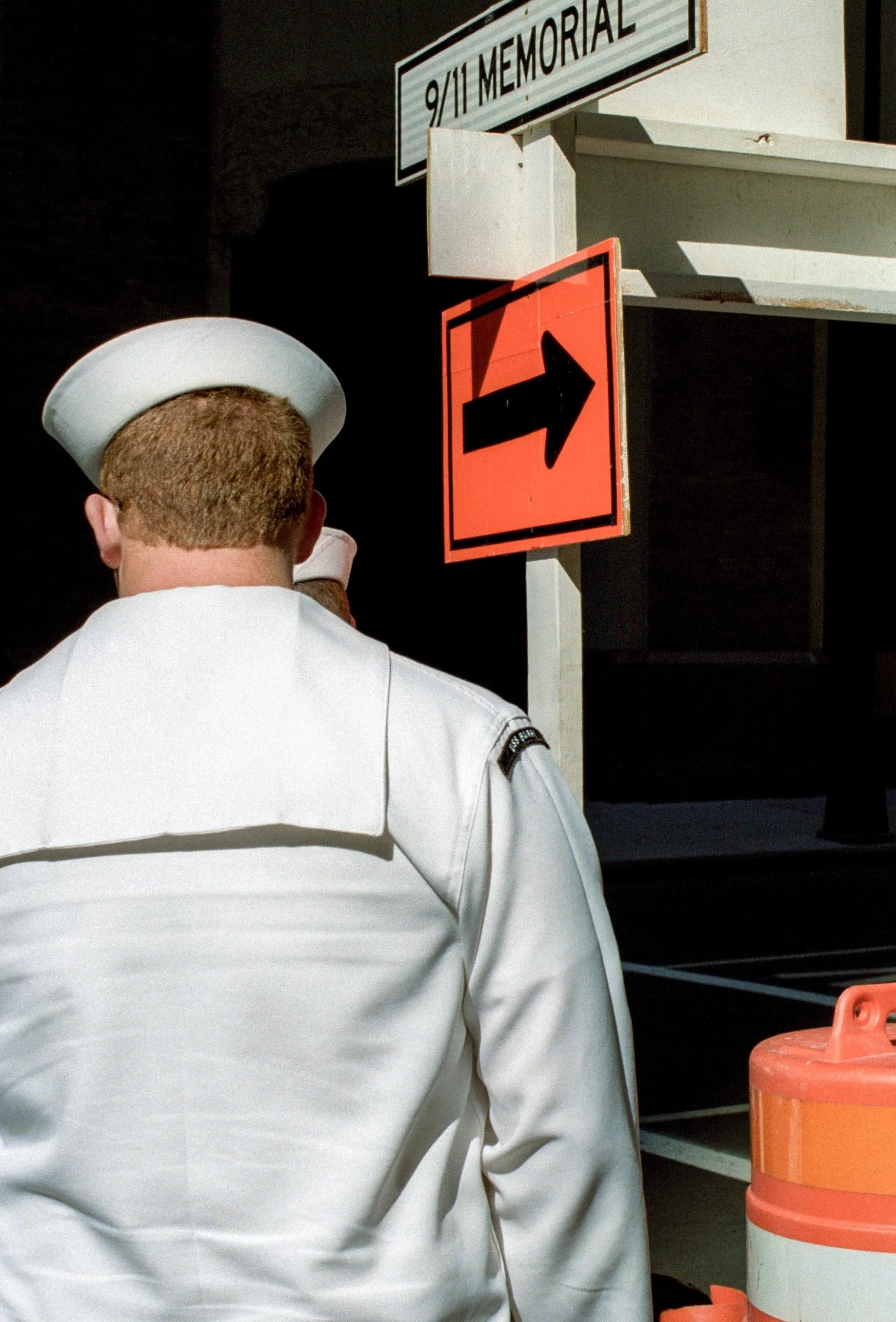
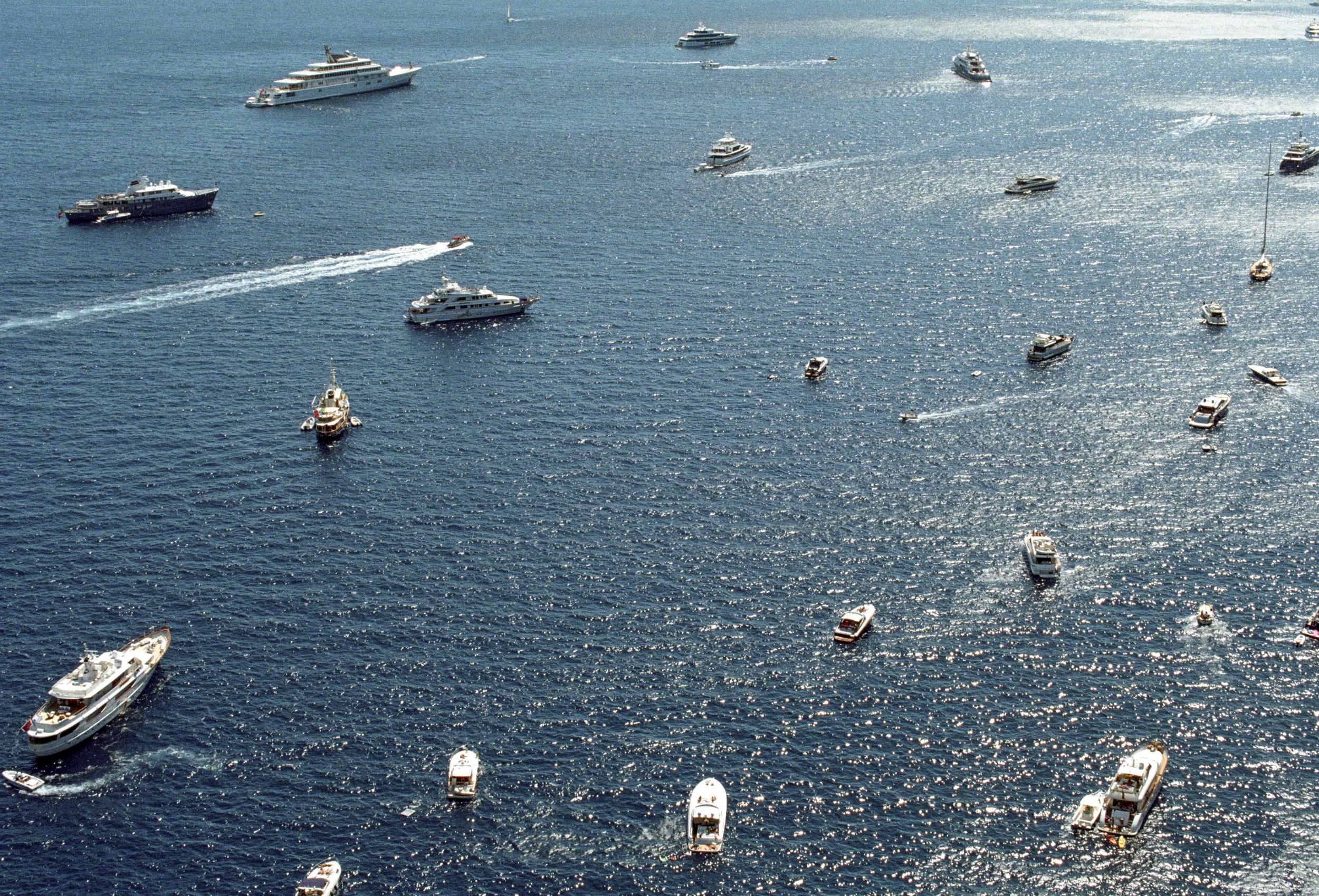
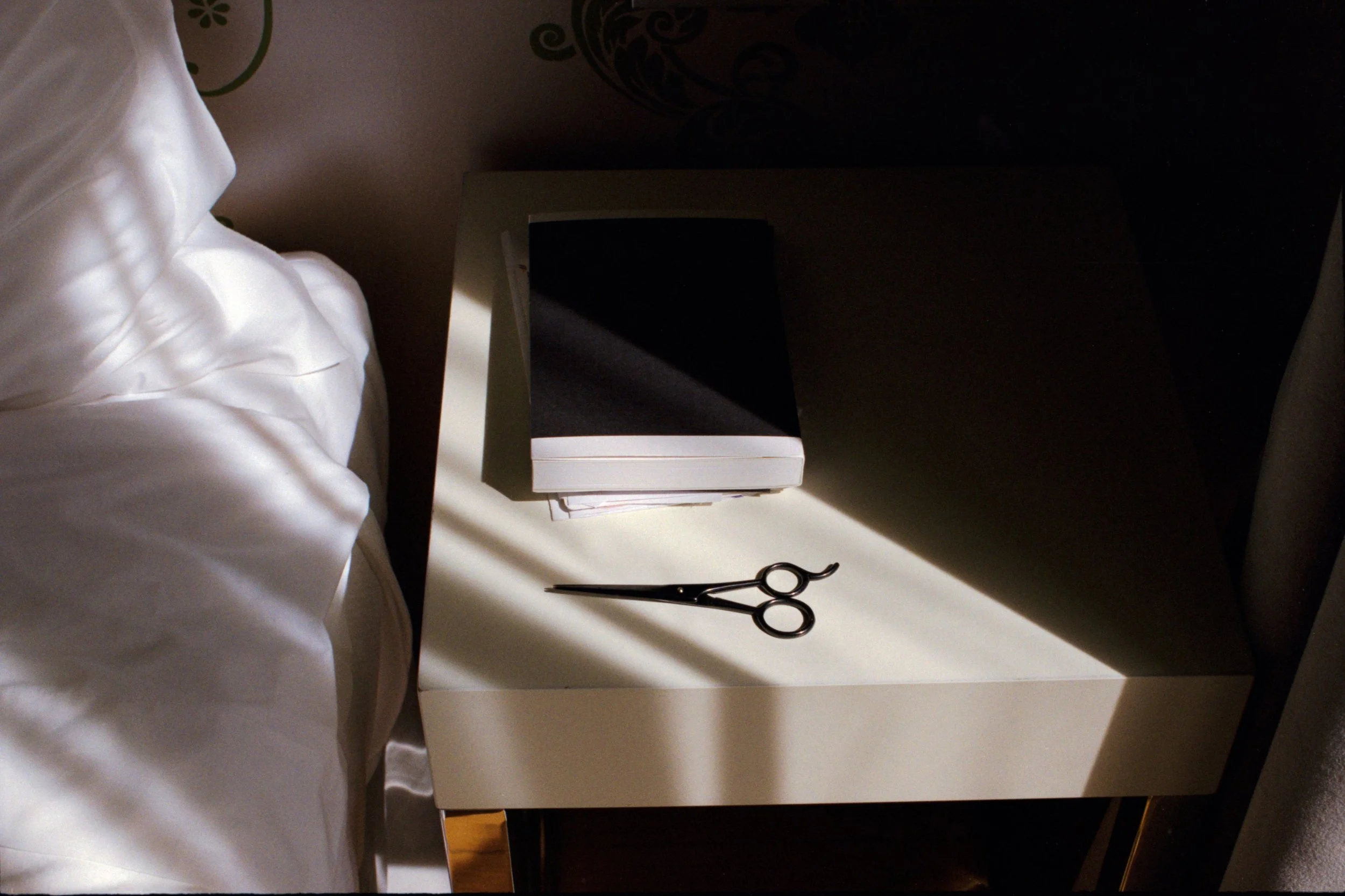
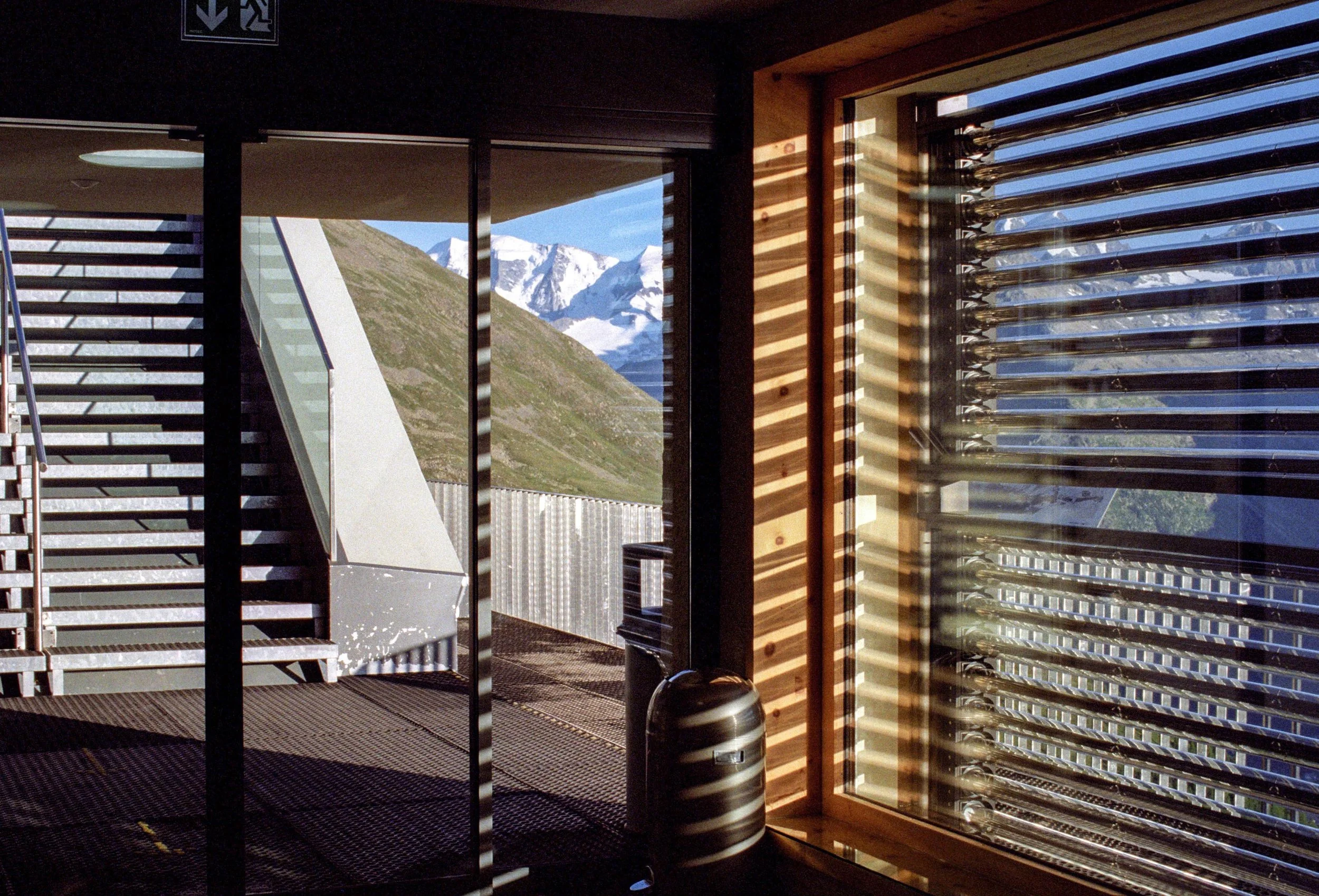
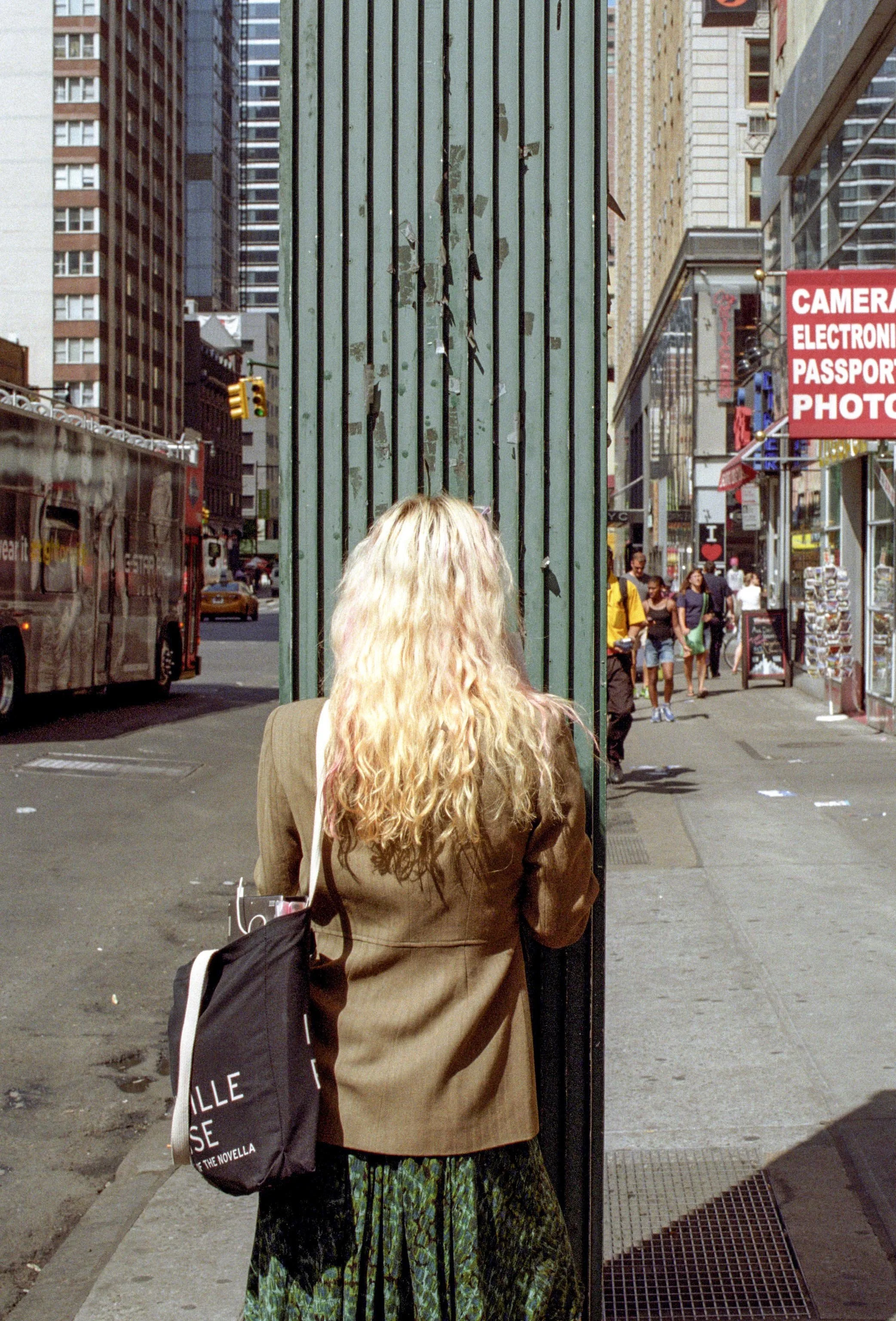
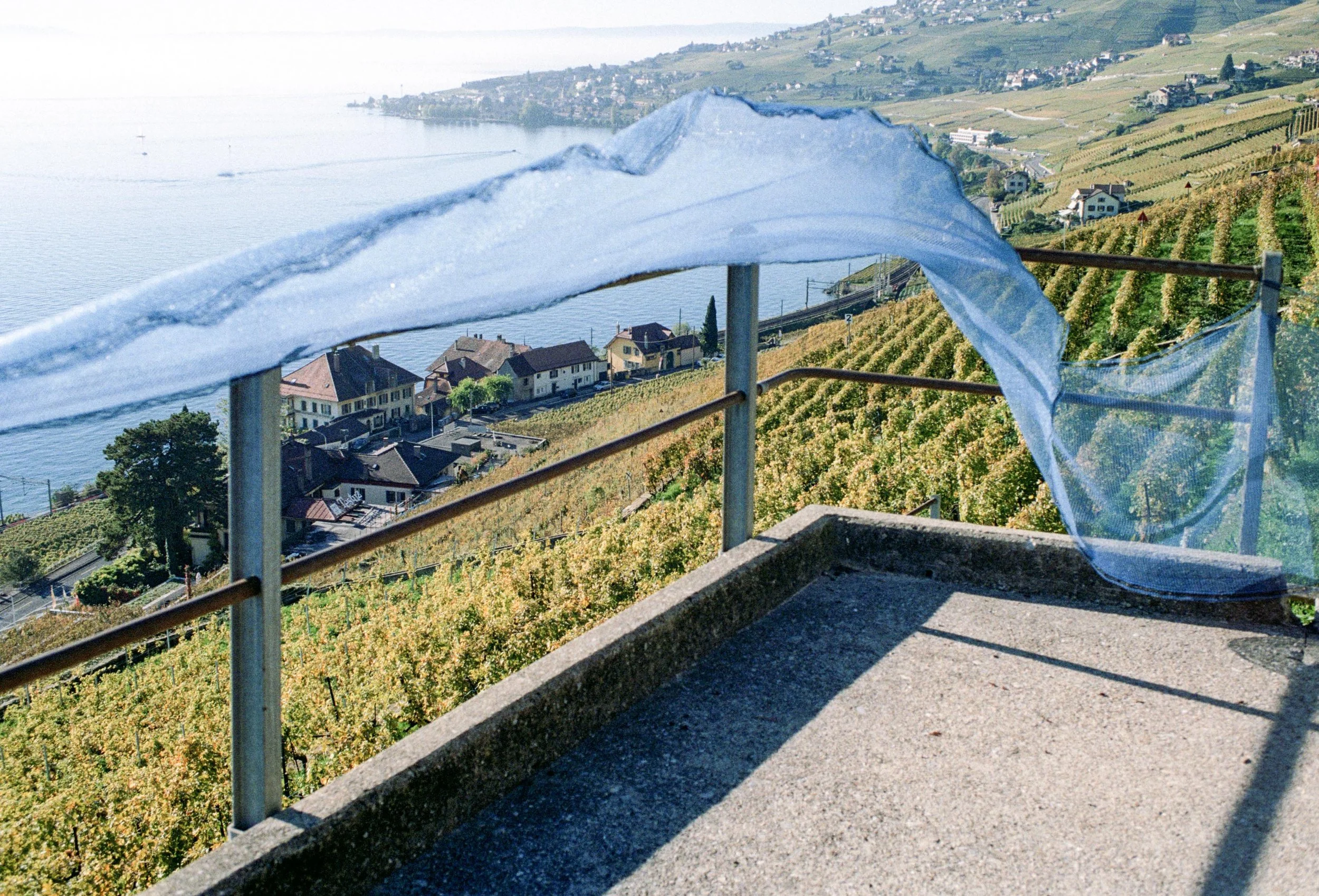
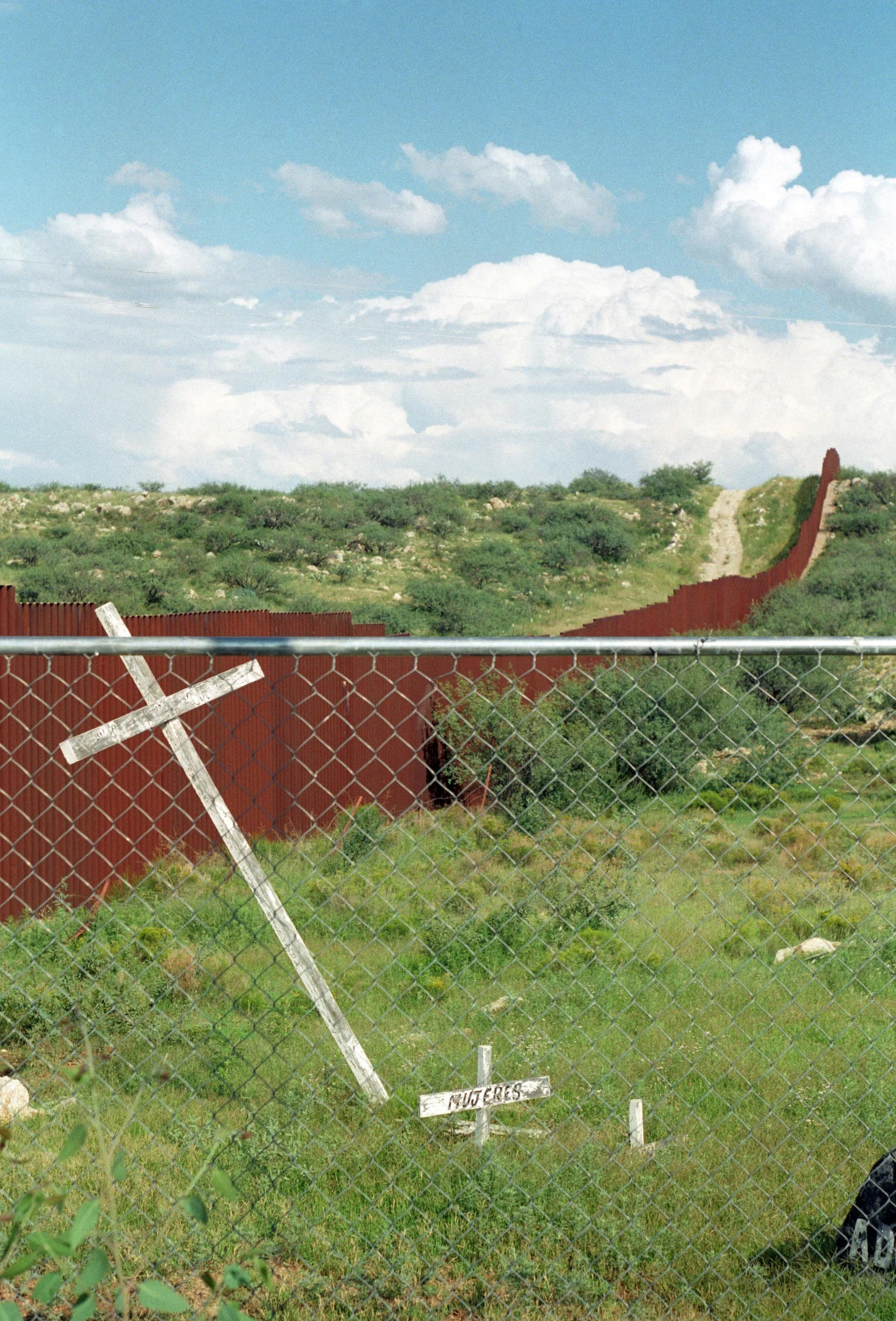
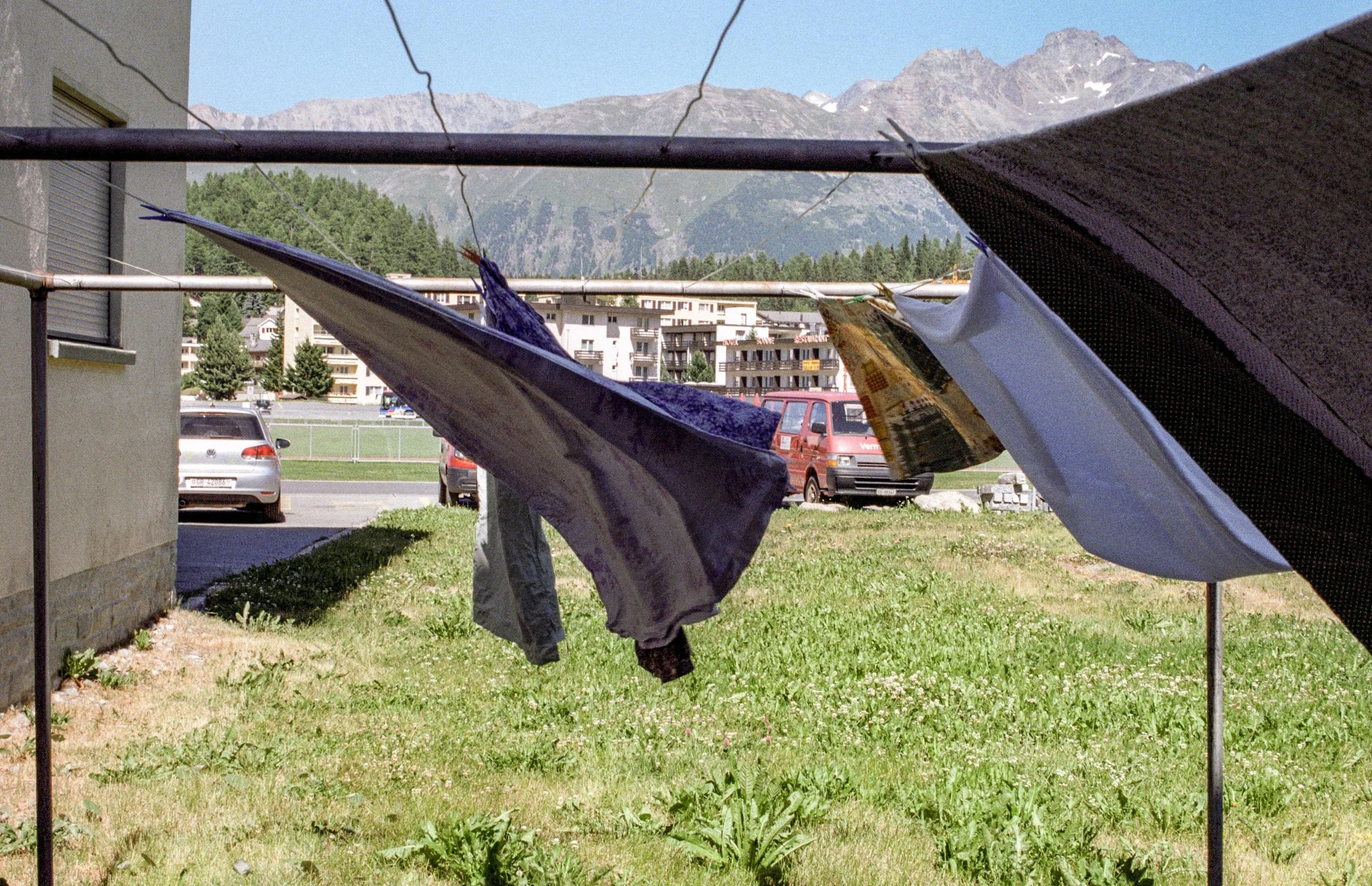
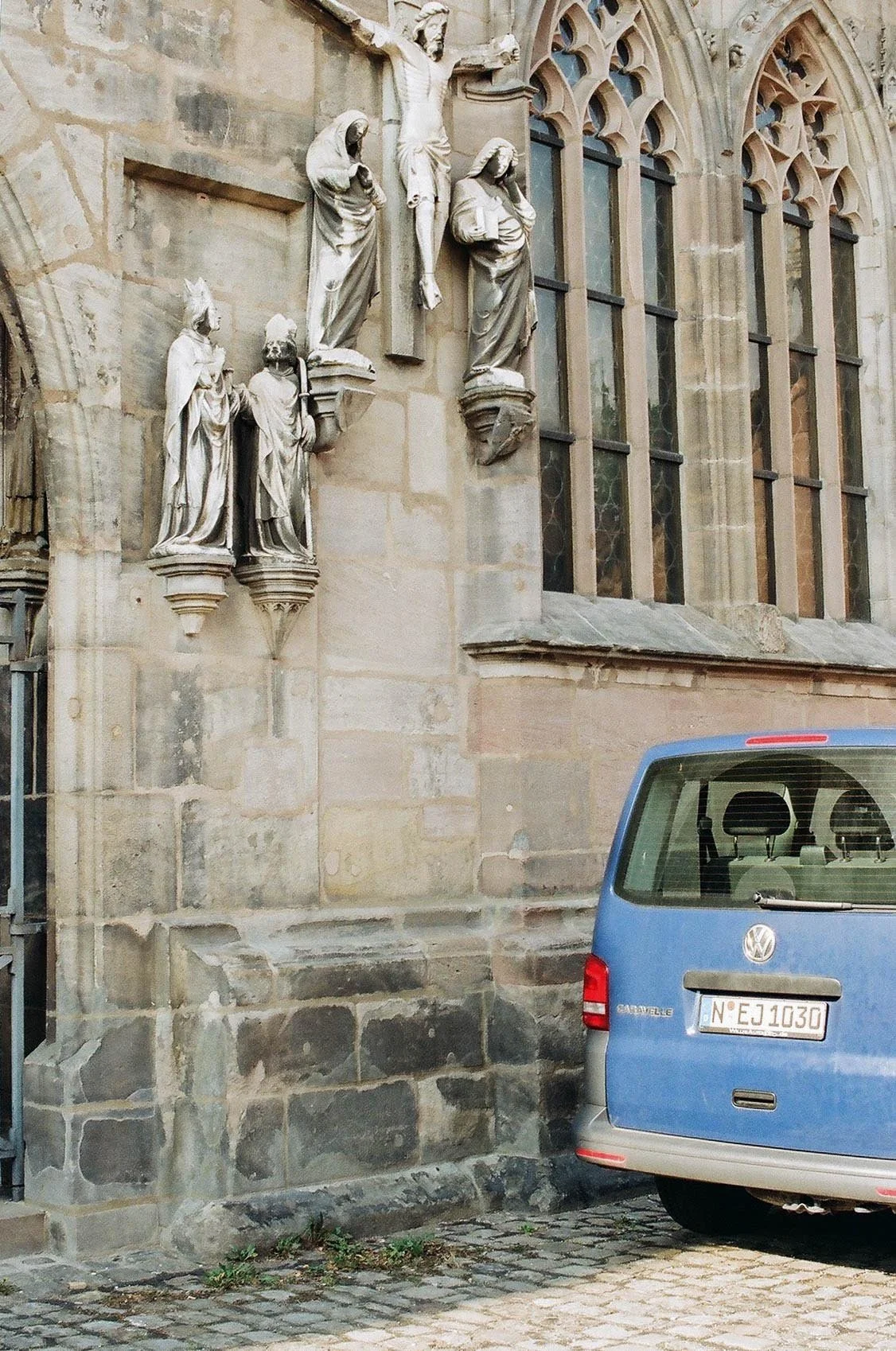
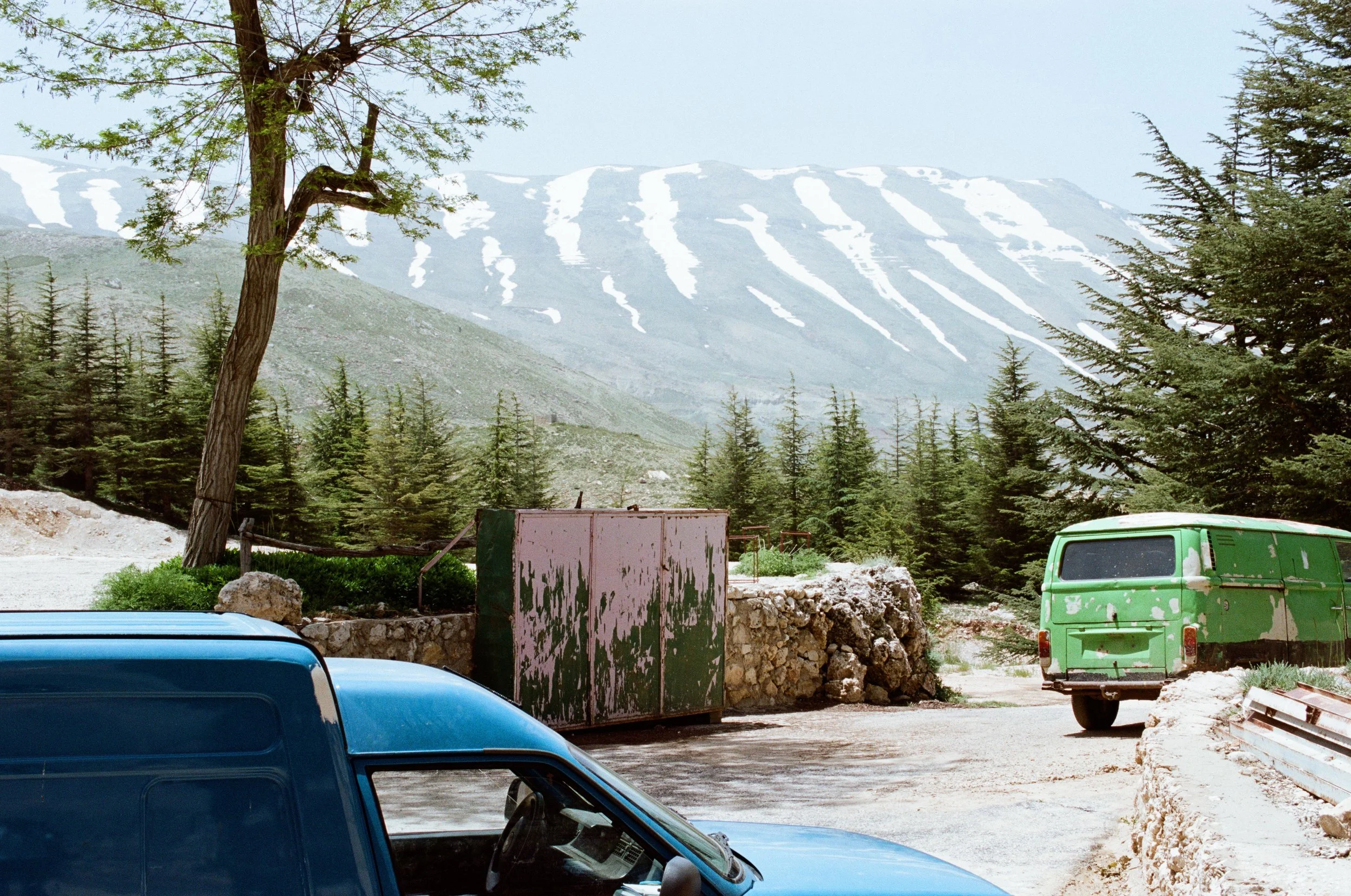
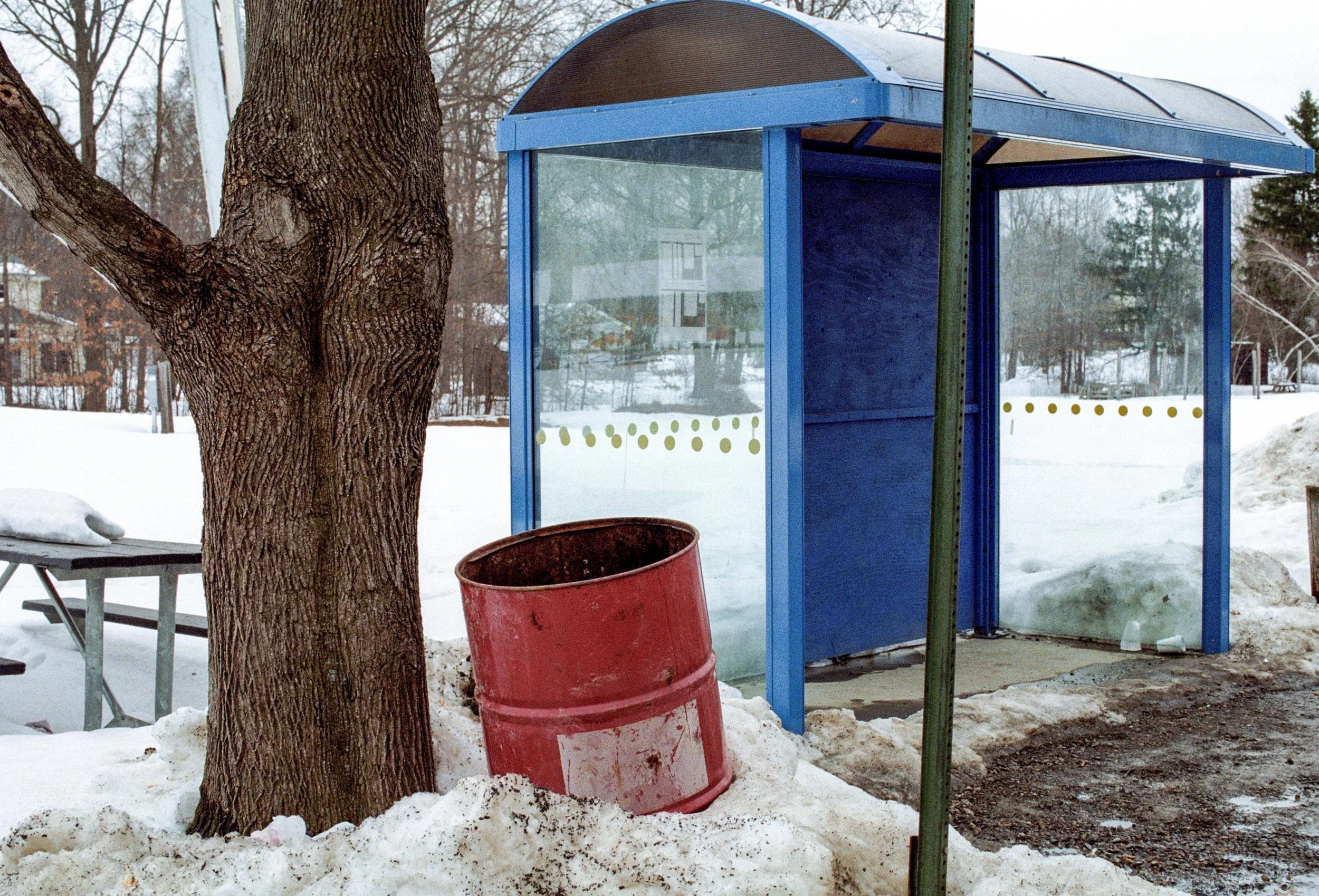
In each place I have traveled, I have used my camera as an extension of my memory. The images are a tourist pictures in this sense. But they also have an inquiring feeling to them and, in some cases, showed me more about the place than I might have seen otherwise.
After my books were published, I began to receive invitations to literary festivals and to teaching programs. If the place is interesting and I have the time, I go. I revisited some of these places, on vacation or to see friends and family. Later still, I traveled on my own specifically to take photographs of a place. Ten countries, twenty, thirty: the numbers mounted and “home” was now also in airport lounges and hotel rooms. Without my having intended it, the map being drawn by my movements was taking on the shape of the world.
I am intrigued by the continuity of places, by the singing line that connects them all. This singing line I have responded to in Blind Spot in the form of a lyric essay that combines photography and text. Human experience varies greatly in its externals, but on the emotional and psychological level, we have a great deal of similarity with each other.
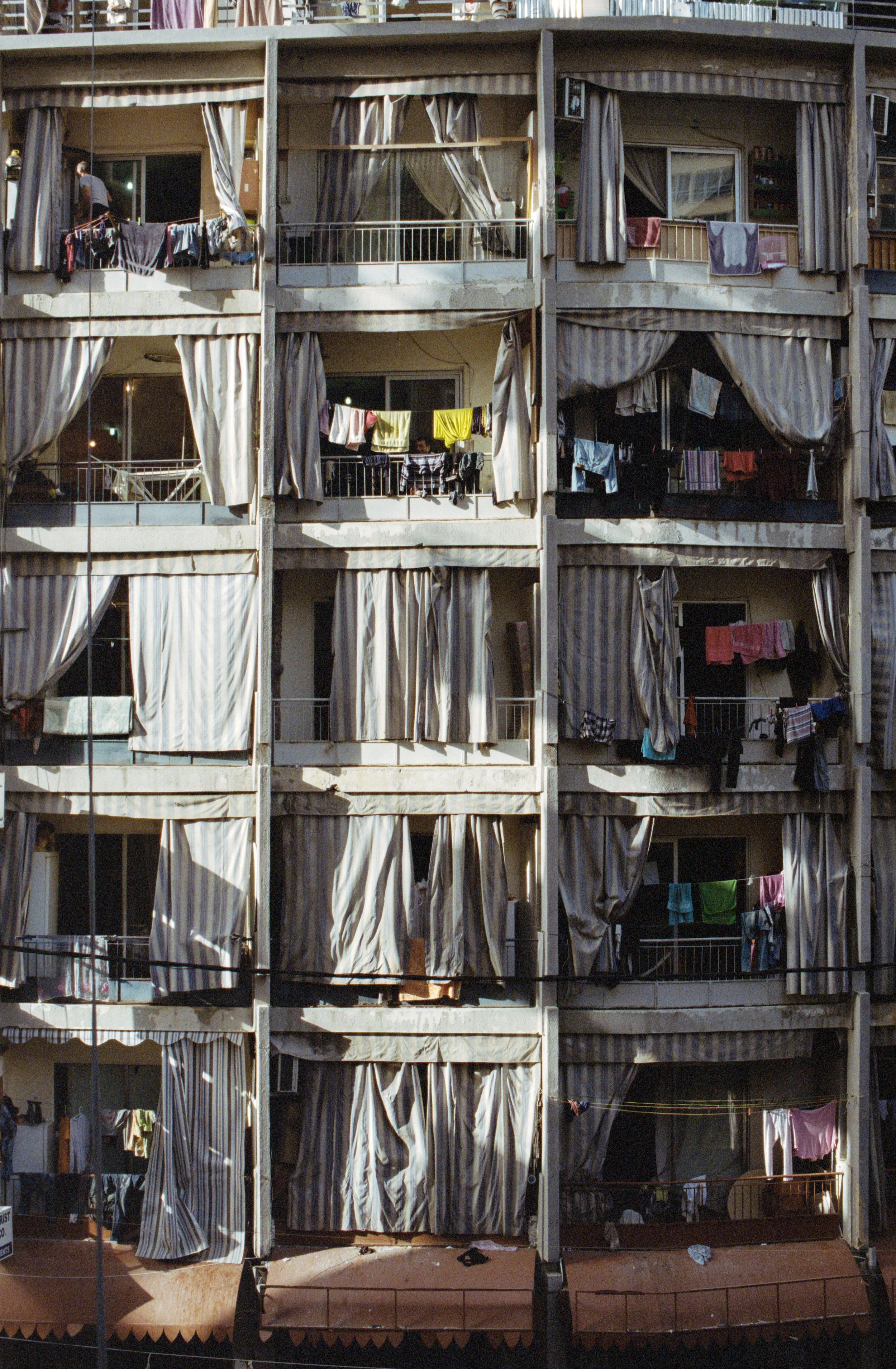
Whether I was in the small town of Vals in Switzerland or in a high building overlooking the dwellings of millions of people in São Paulo, my constant thought has been the same: how to keep the line going. This project came about when I began to match words to these interconnected images. The process, I found, was not so different from one of a composing a novel: I made use voices, repetitions (within the text, and from other things I have written), allusions, and quotations. This book stands on its own. But it can also be seen as yet another reiteration of my long-term concern with the limits of vision.
To look is to see only a fraction of what one is looking at. Even in the most vigilant eye, there is a blind spot. What is missing?
Teju Cole
Brooklyn, March 2017