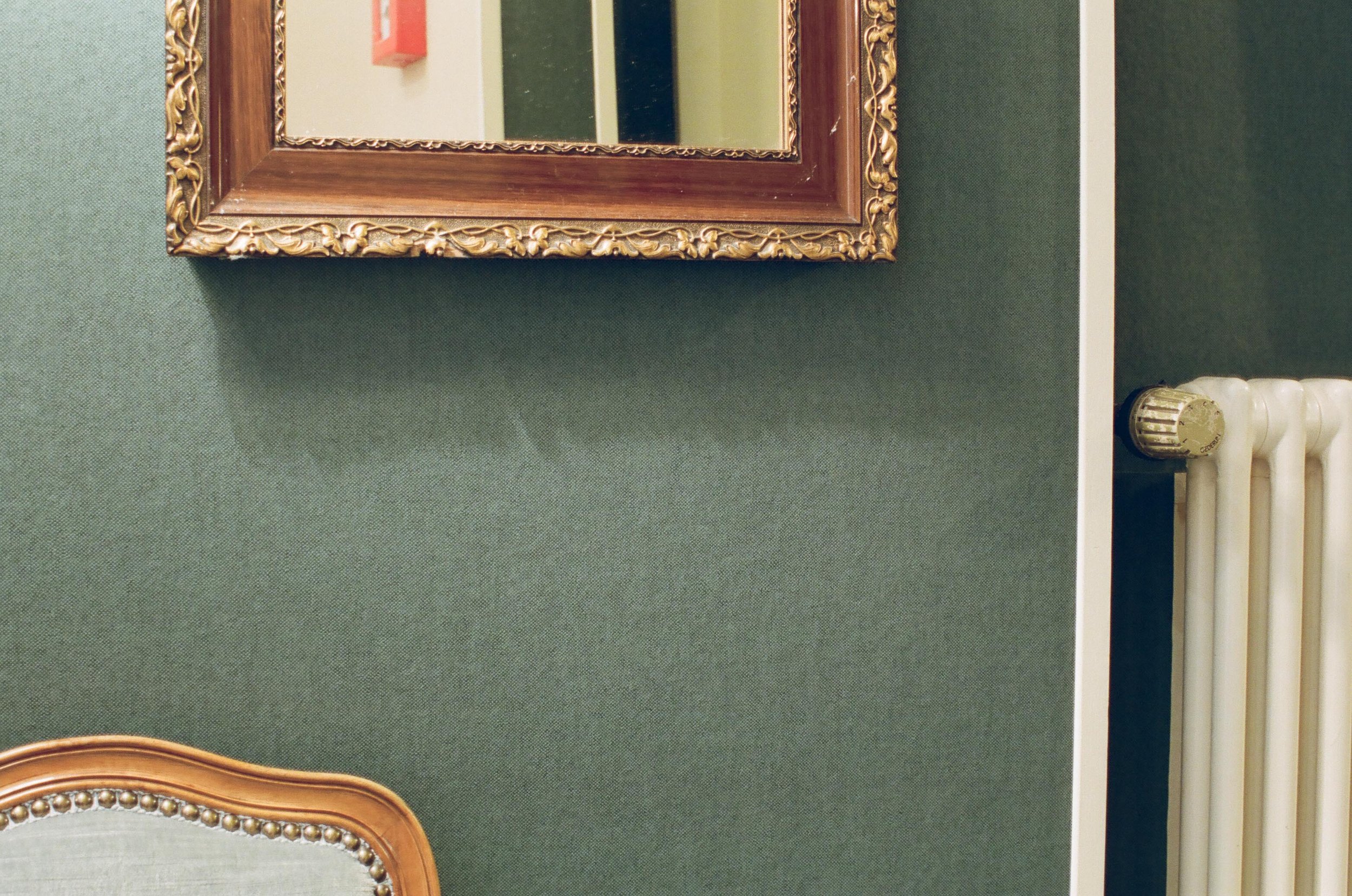

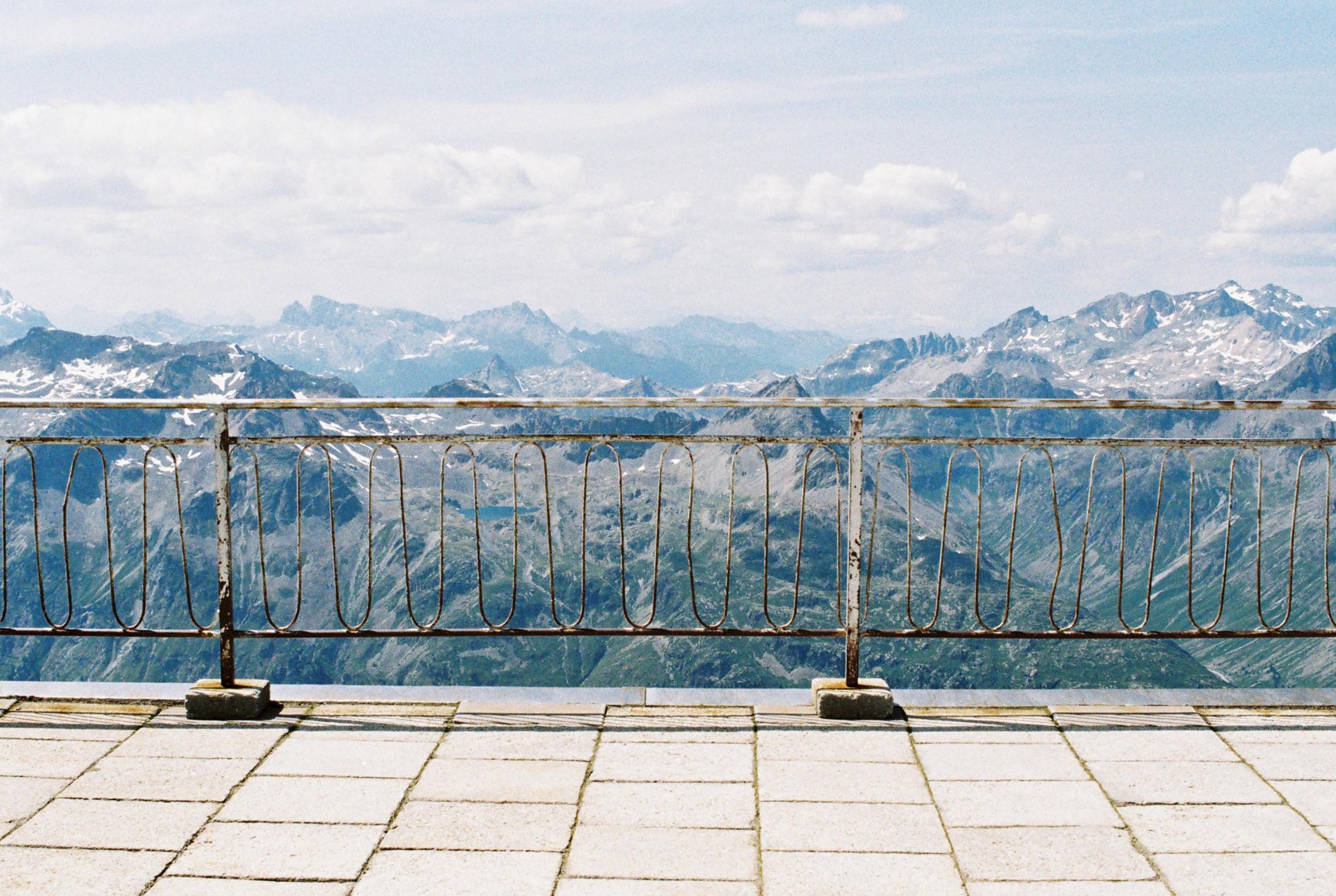
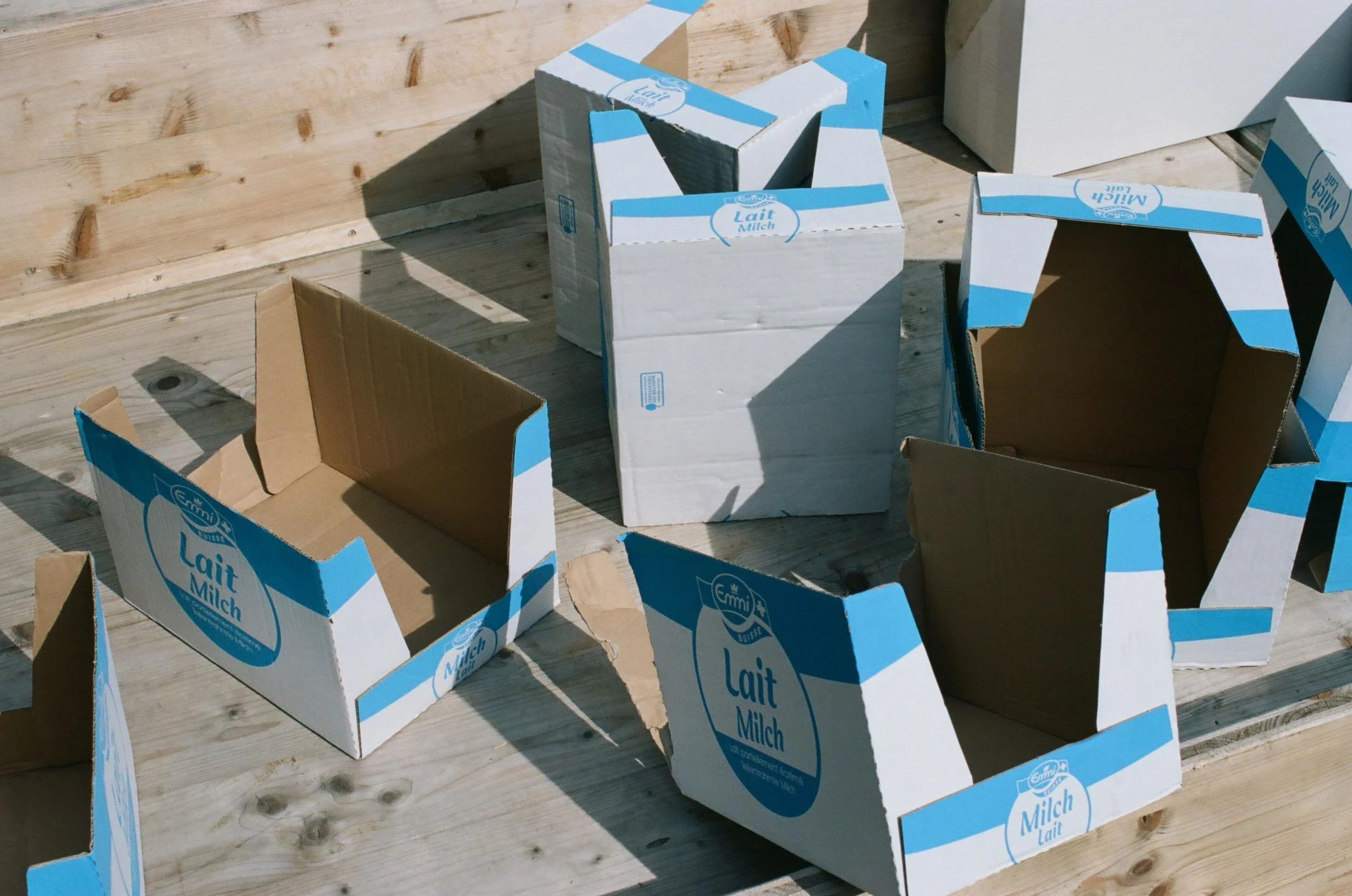
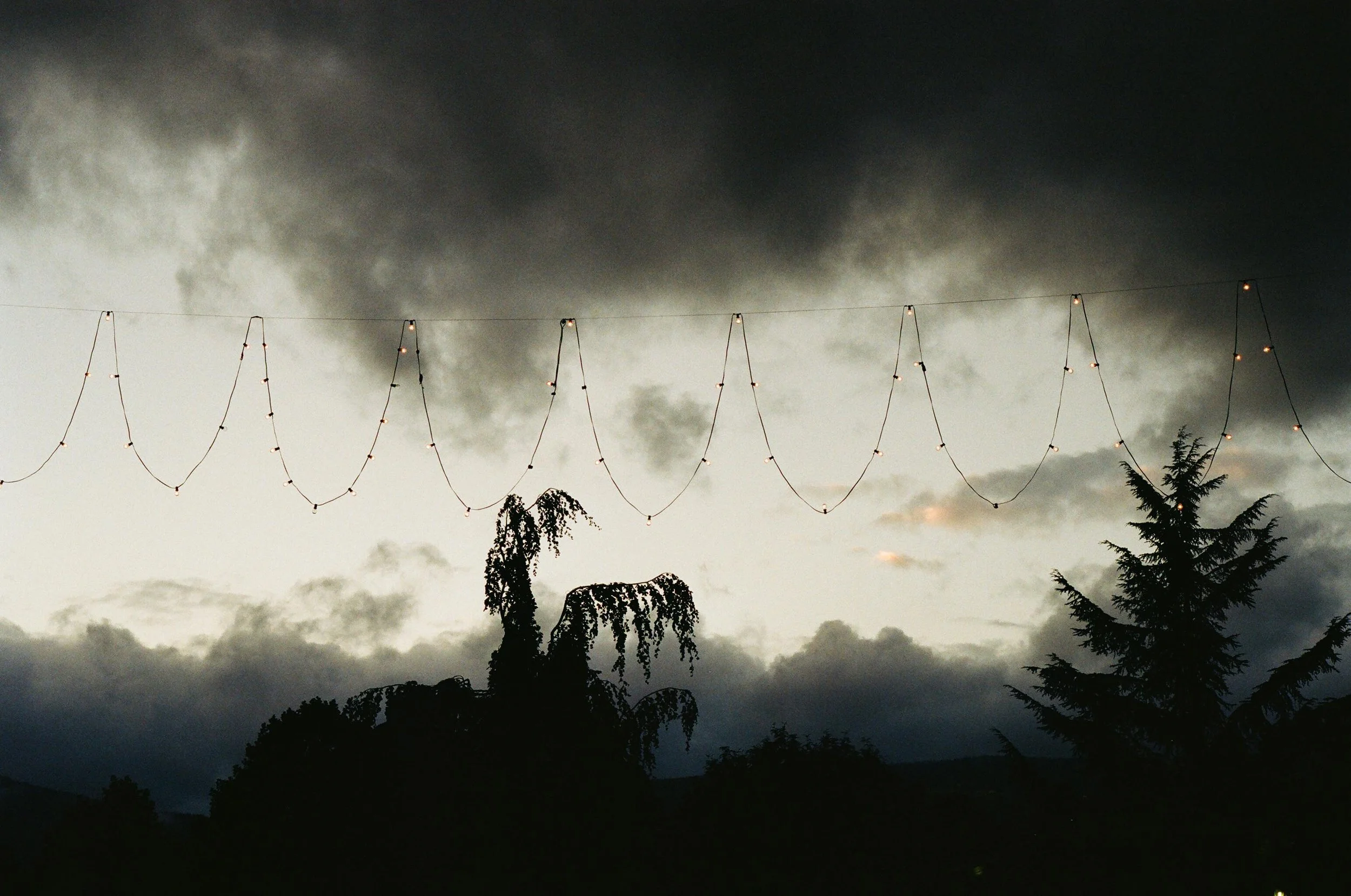
Fernweh
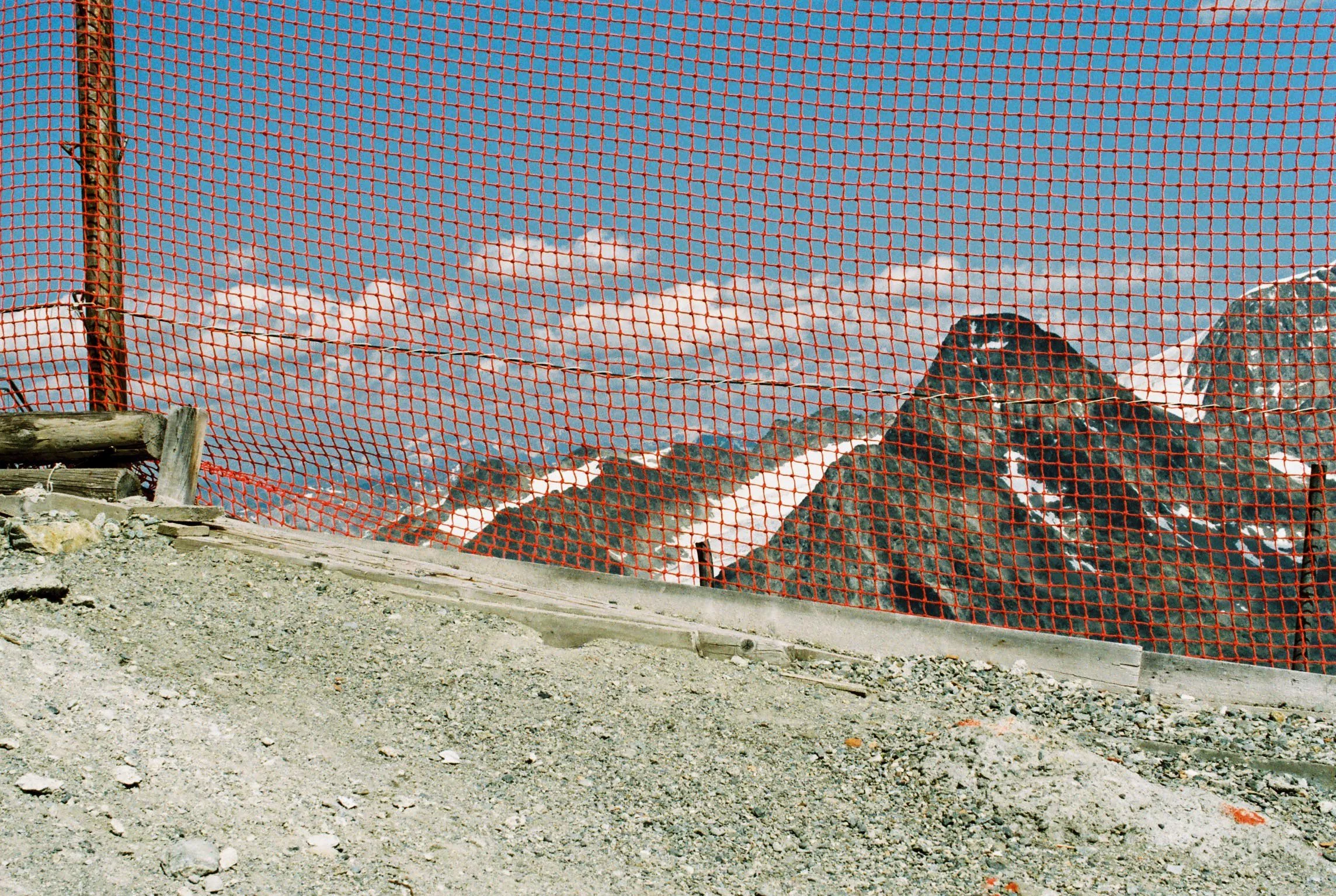
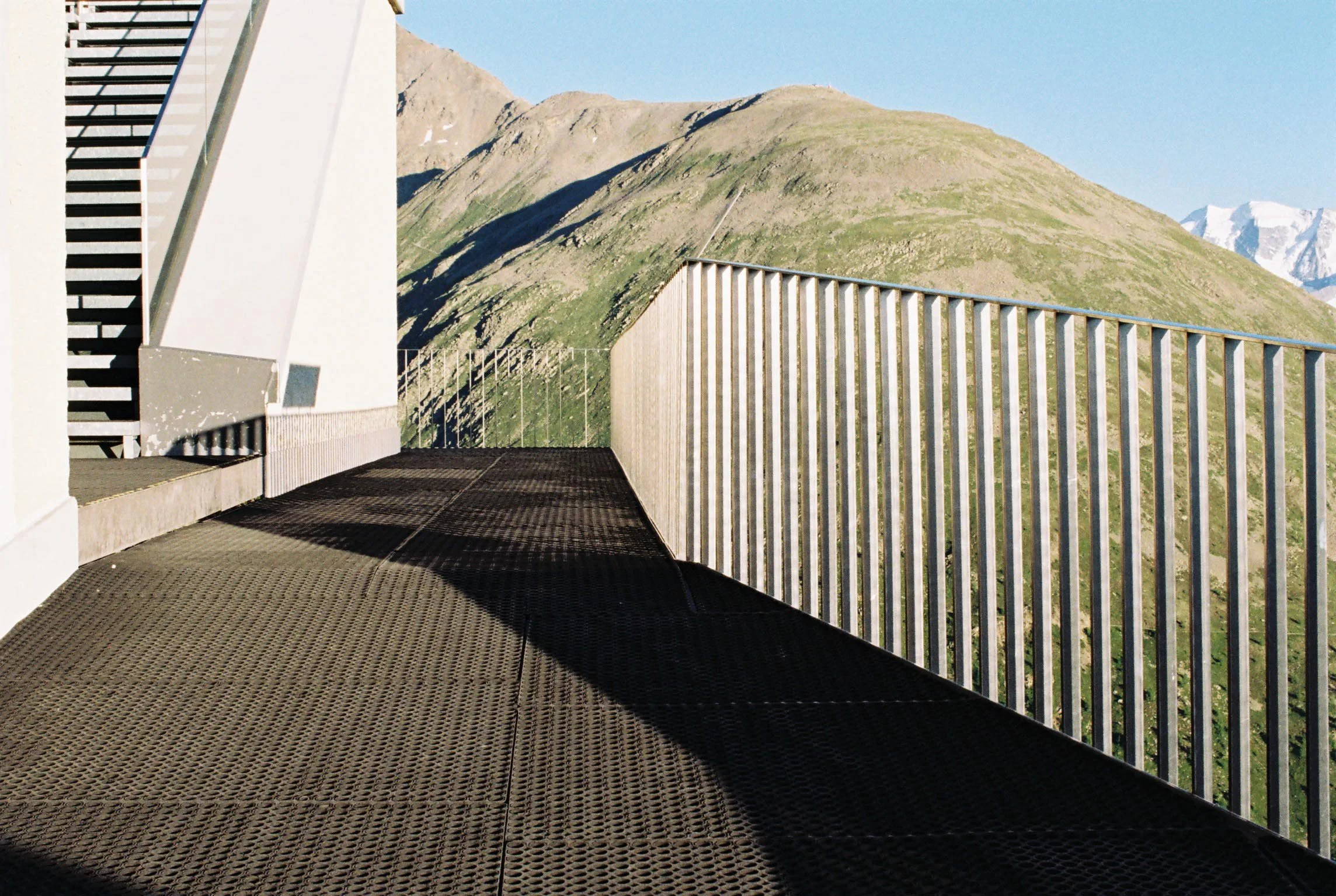
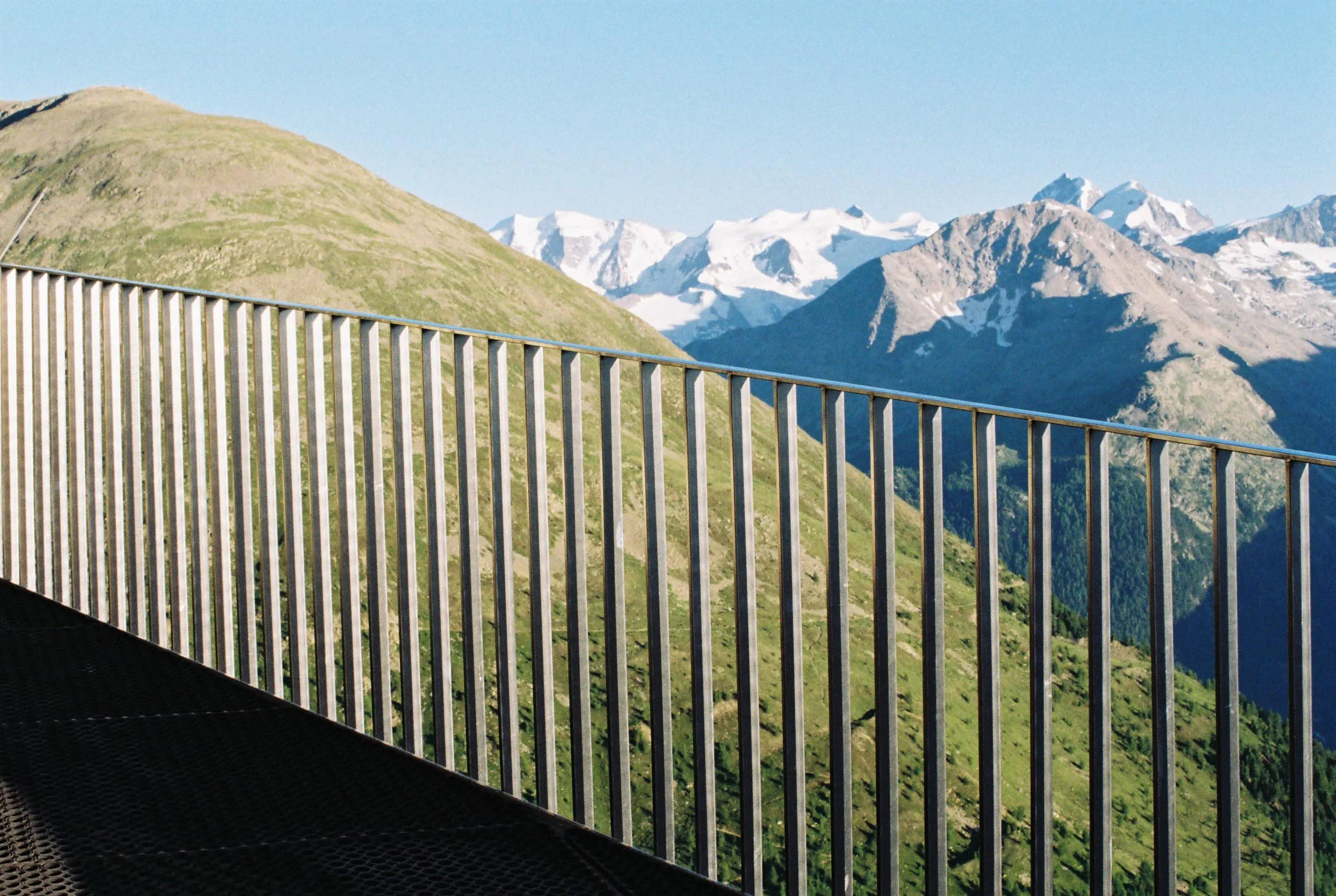
Not when I was photographing, but later, in considering the images, I remembered that line of Paul Éluard’s: “There is another world, but it is in this one.”
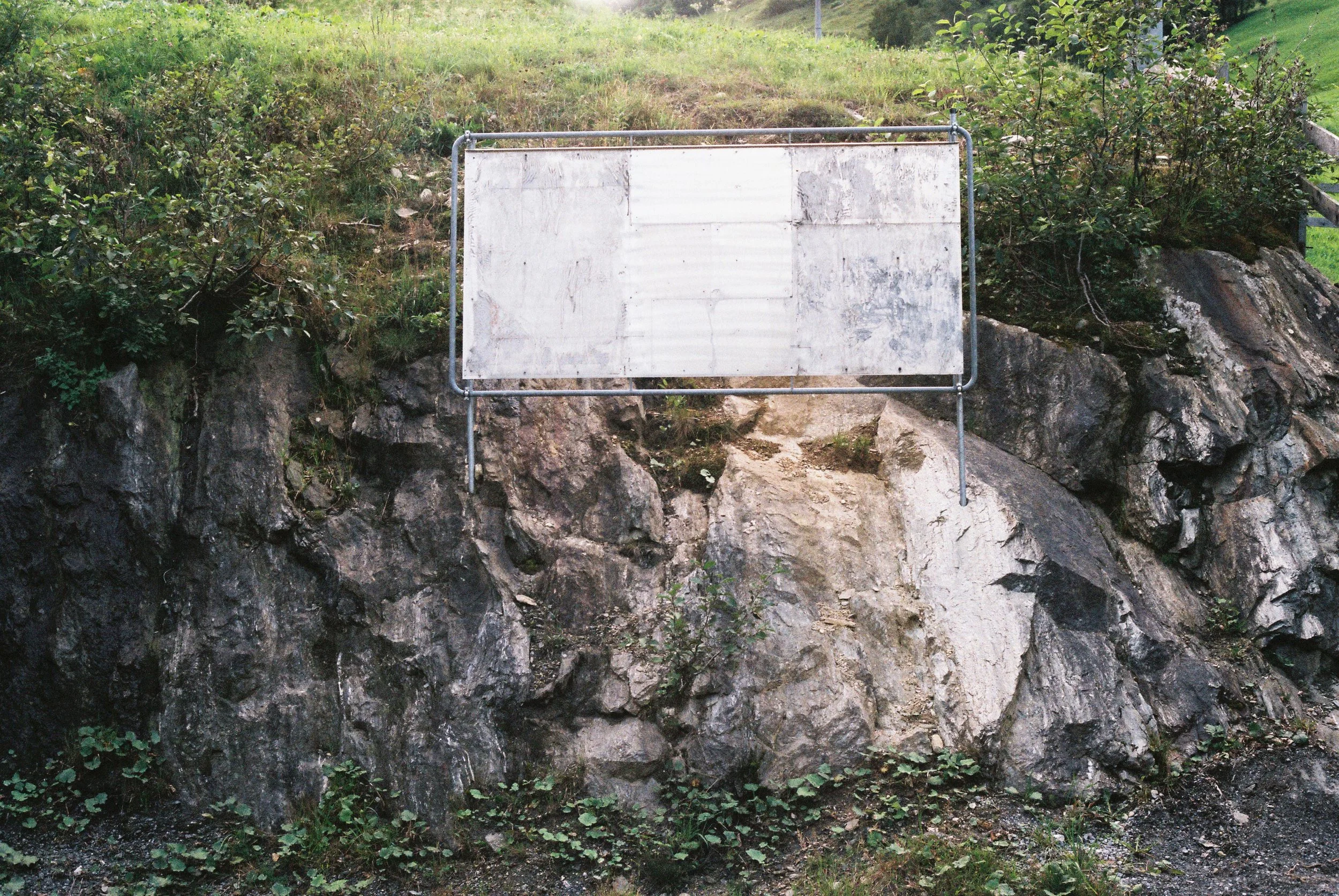
Each time I’m in Switzerland, I can hardly believe my eyes. It is the familiar world of politics and history and human confusion, a world that contains well-hidden poverty and less well-hidden racism. But it is also a magical world, a world within a world, as calm as something enclosed in amber. Except amber is exactly what this isn’t: this is alive and flickering with the traces of ongoing human labor. The light is clear, frank, bright and inexpressive, a paradoxically mysterious clarity.
I looked and looked again.
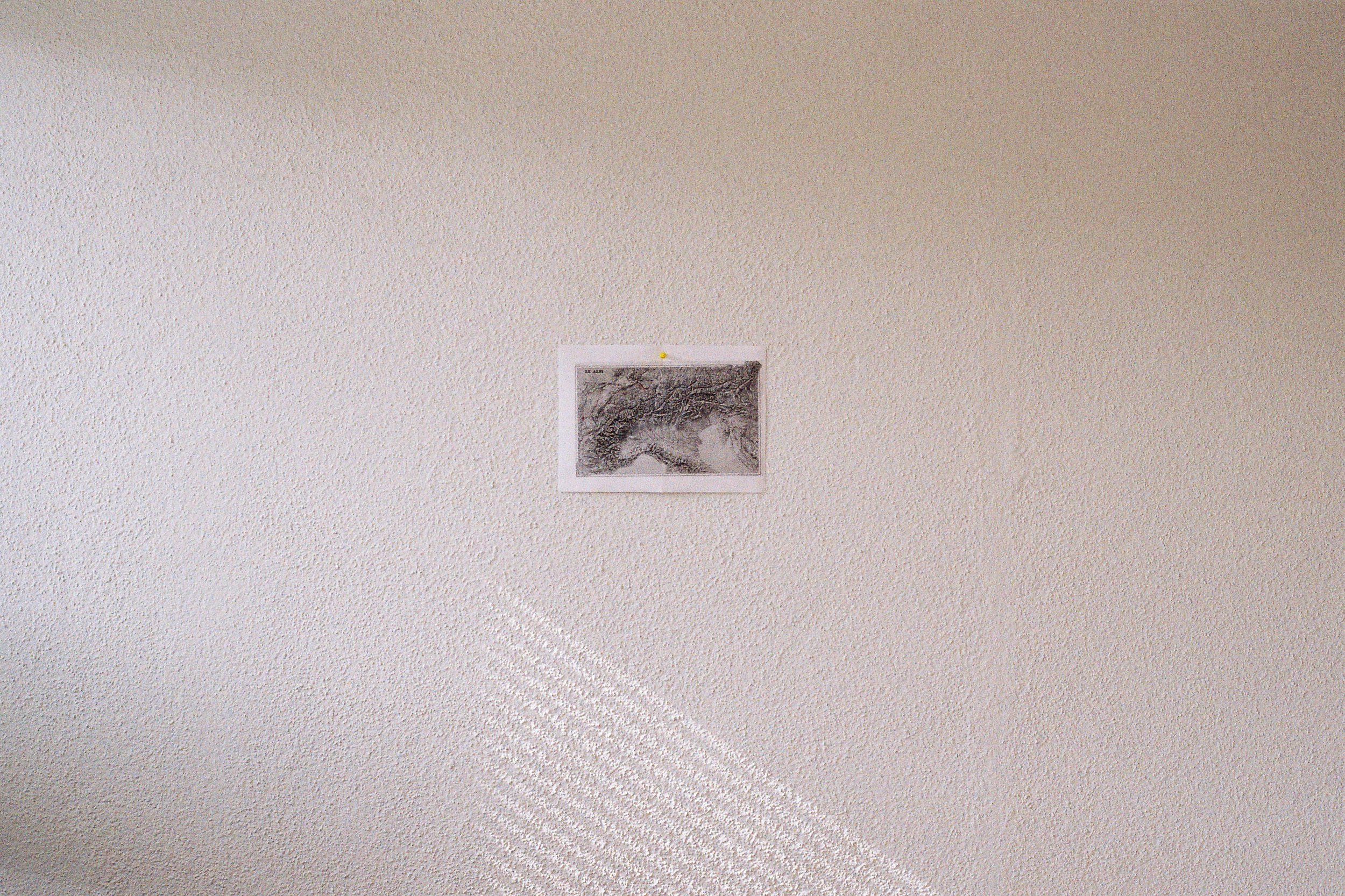
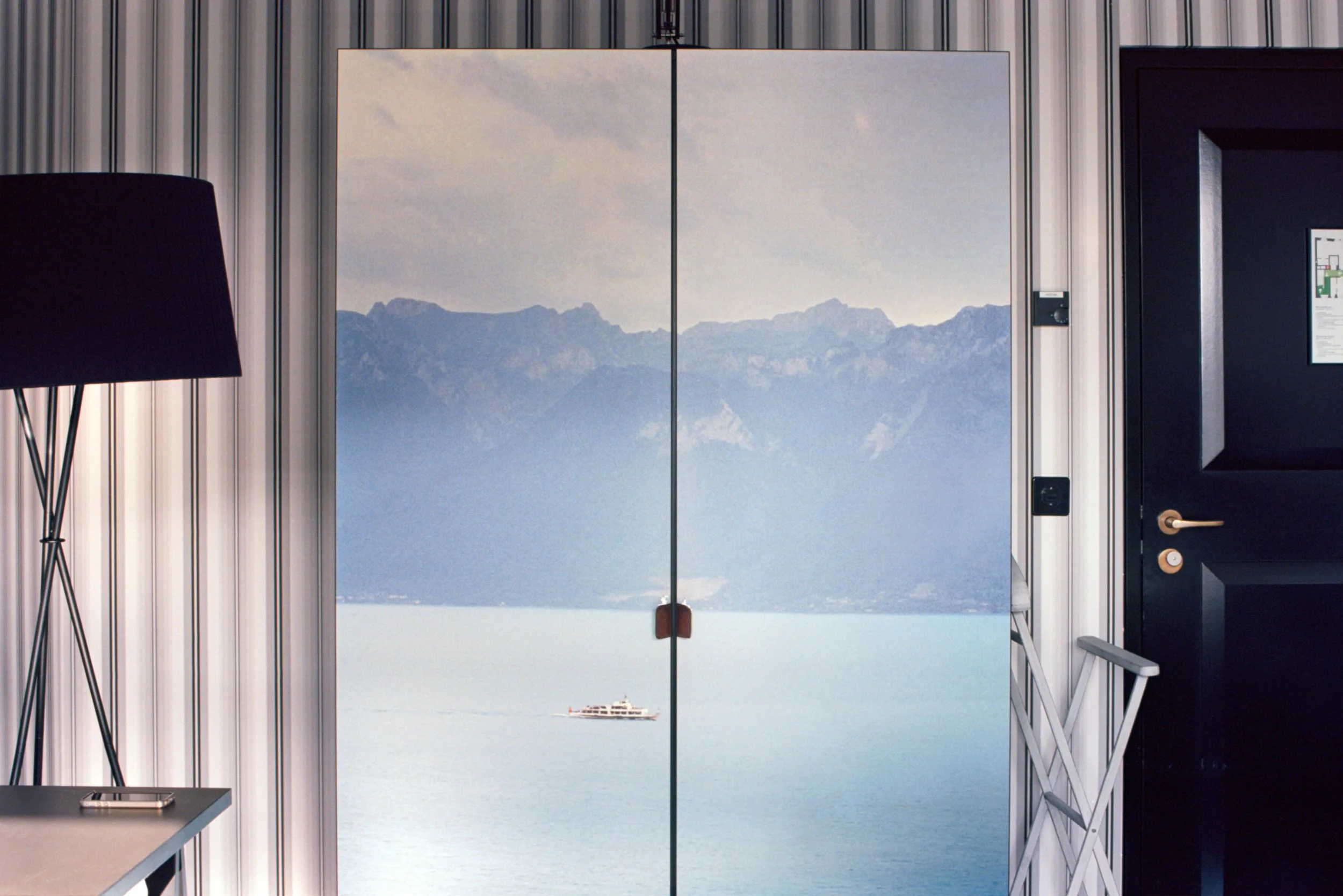
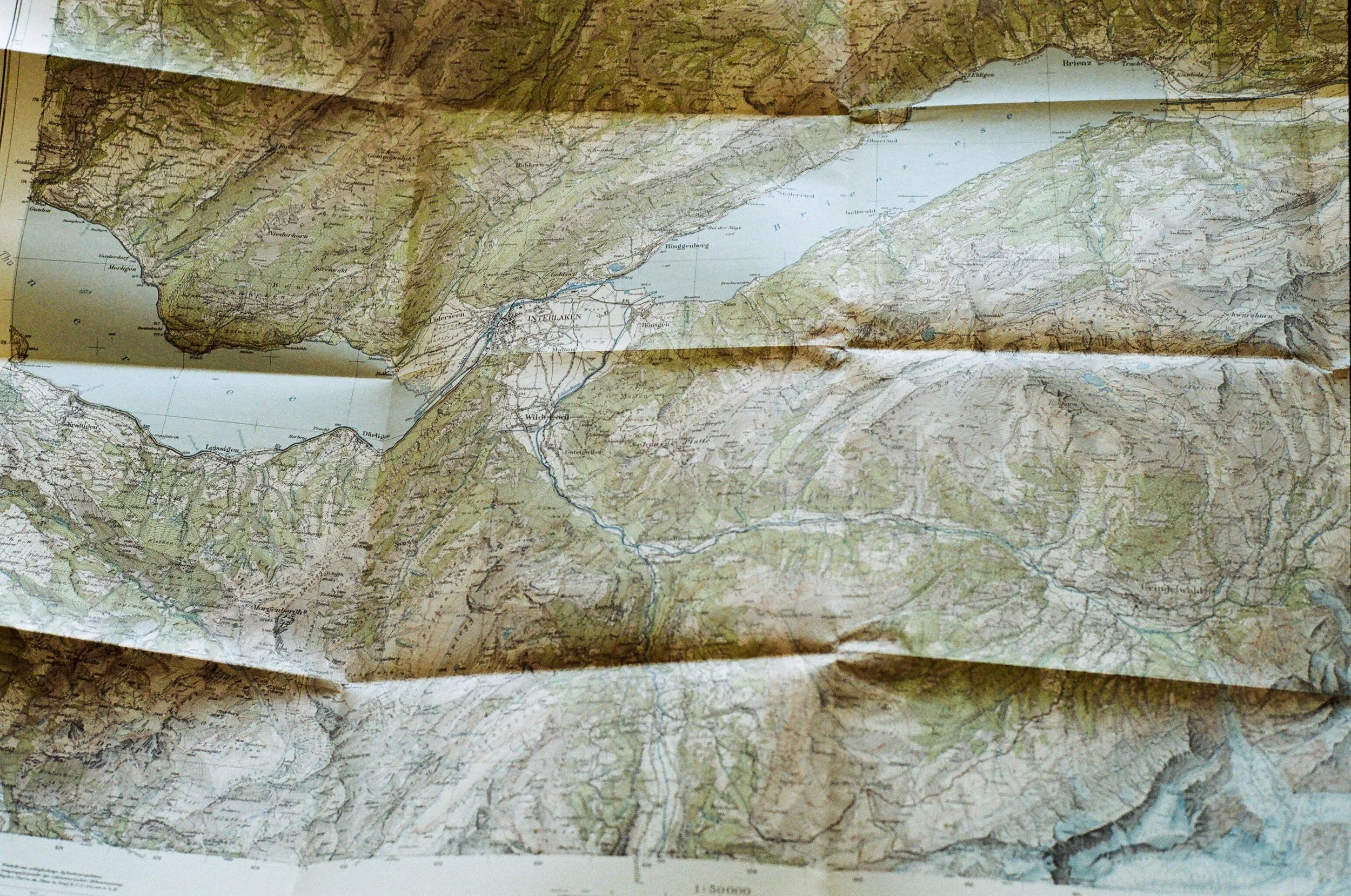
All closely observed worlds seem to be thinking themselves, remembering themselves, but few places are as close to their perfected postcard image as Switzerland is. This, after all, is one of the key places where nineteenth-century travel photography was developed. It is one of the cradles of the camera-mediated sublime. And so, to photograph Switzerland is to rephotograph it. But in remaking the photographic image from a contemporary territory, something shifts: the image has been corrupted by knowledge. Its eyes are open. It knows about photography and postcards and maps and posters. This knowledge is not antic or self-conscious. It manifests, instead, as an unsettling mixture of serenity and melancholy.
Looking at the photographs I send her, M writes:
“The people are mostly figures at a distance, figures even more than bodies. But the absence of people is what makes the book feel timely. I keep thinking about the world made by us and without us. It's not obviously an apocalyptic book or a book or ruins. It's not nostalgic. And yet I can't help but feel the intimation of—not ruin—but a kind of disappearance. Not tragic, just so.”
Fernweh is an antonym of heimweh (homesickness). A longing to be far away. Born in the United States, raised in Nigeria, and now living in the United States, I first went to a Switzerland a few years ago. All countries are different, but some are more different than others.
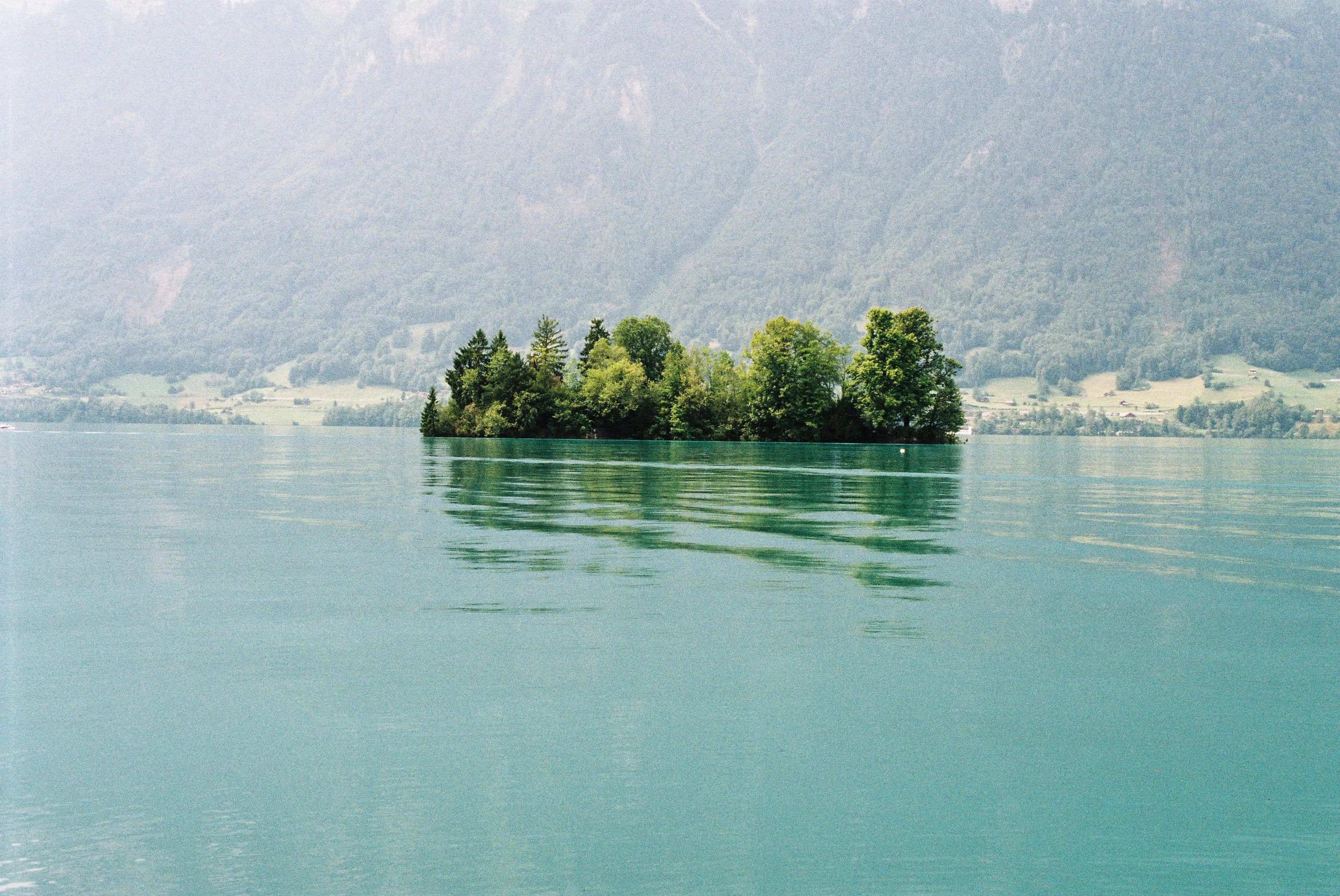
M adds: “Lately I've been thinking about how to hold the image of an ‘infinite lake’ and the ‘earth on fire’ at the same time.”
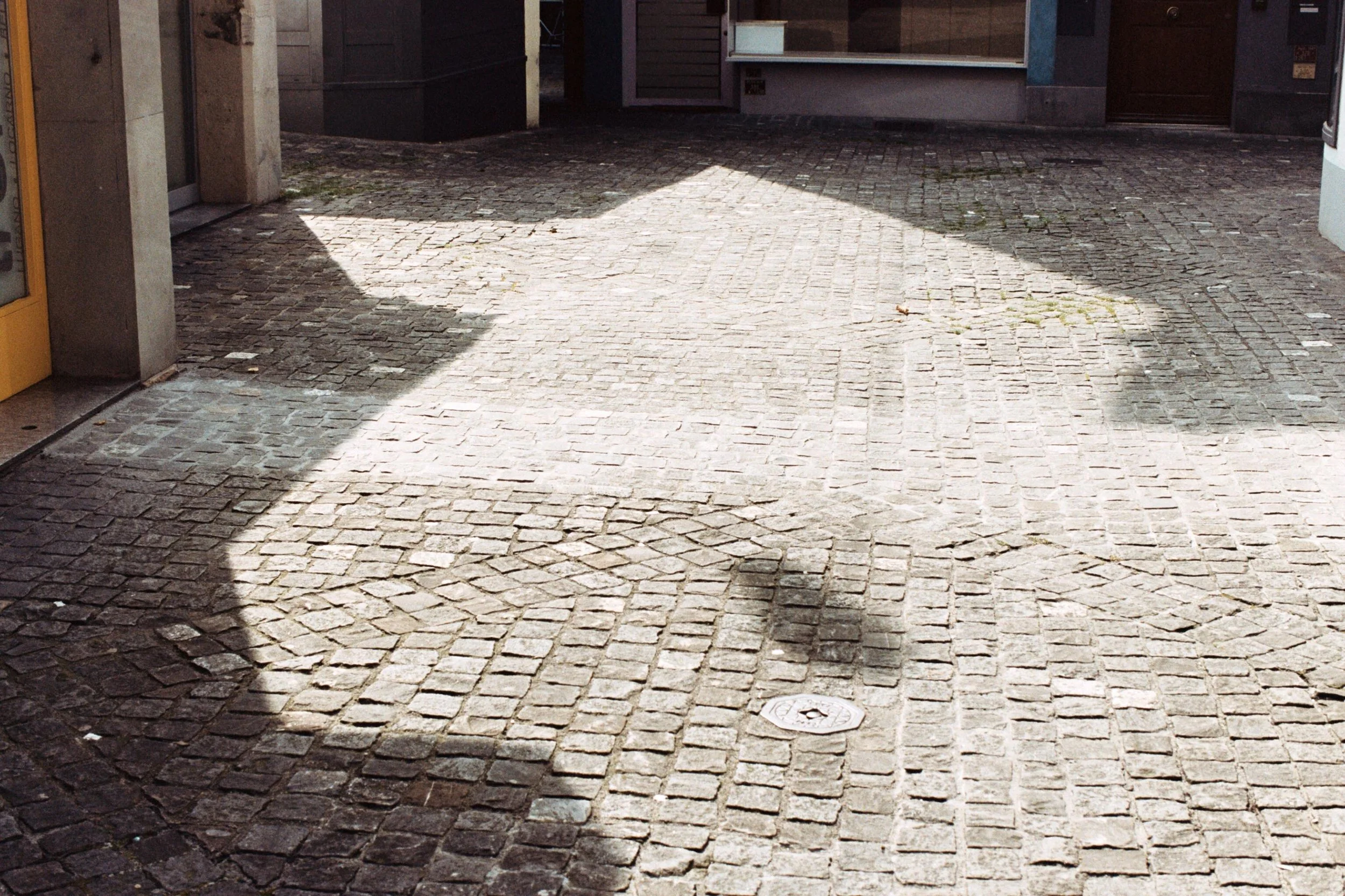
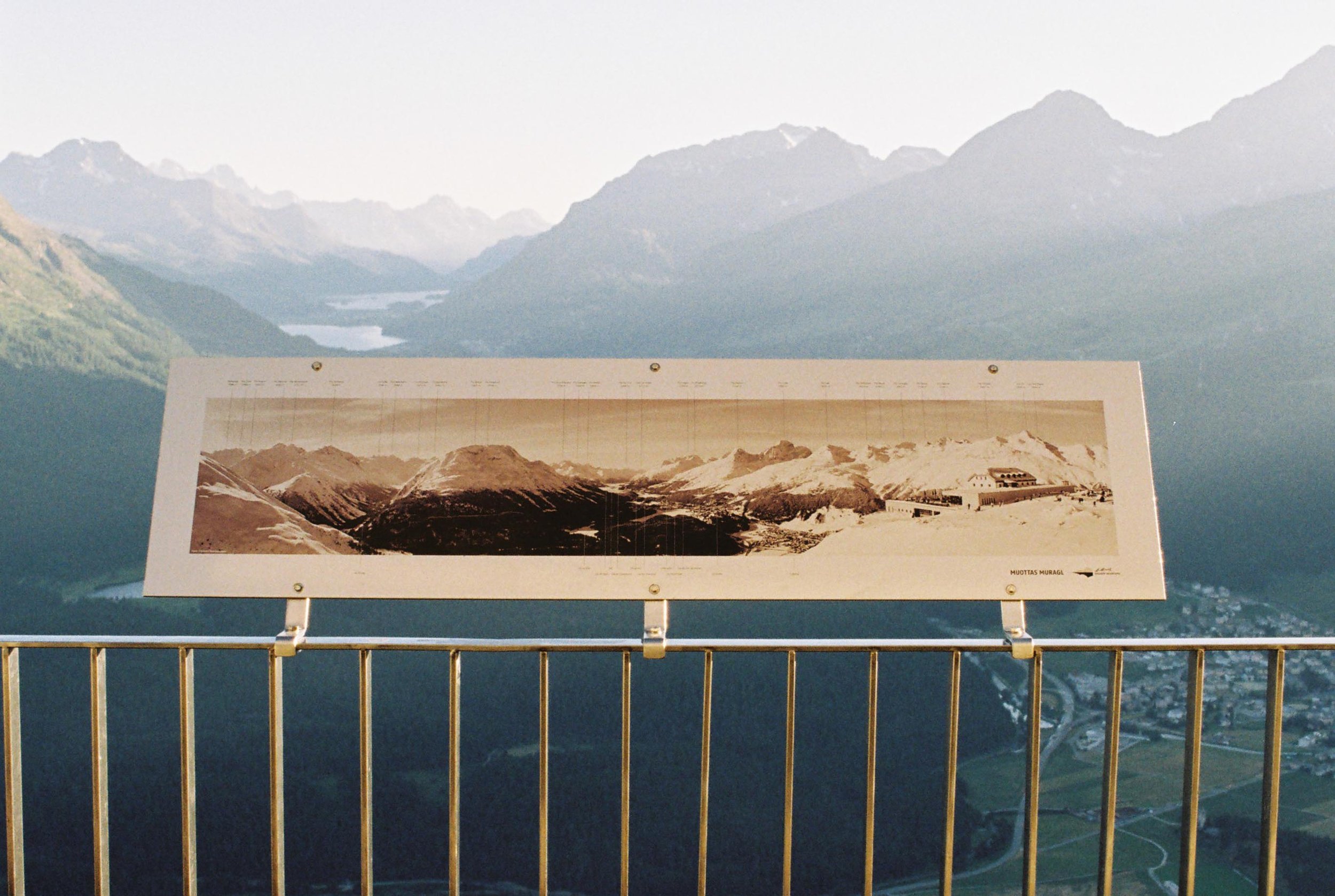
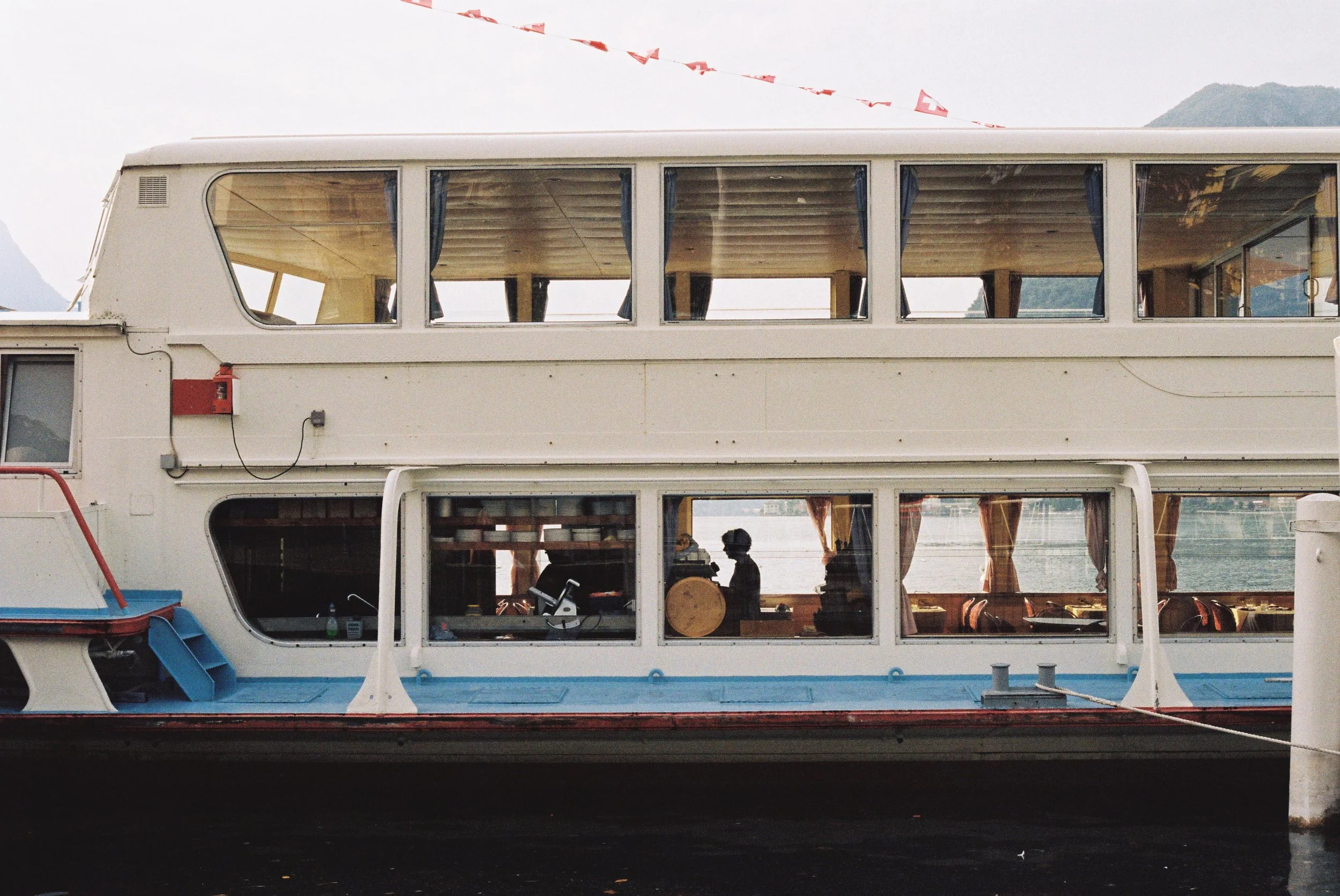
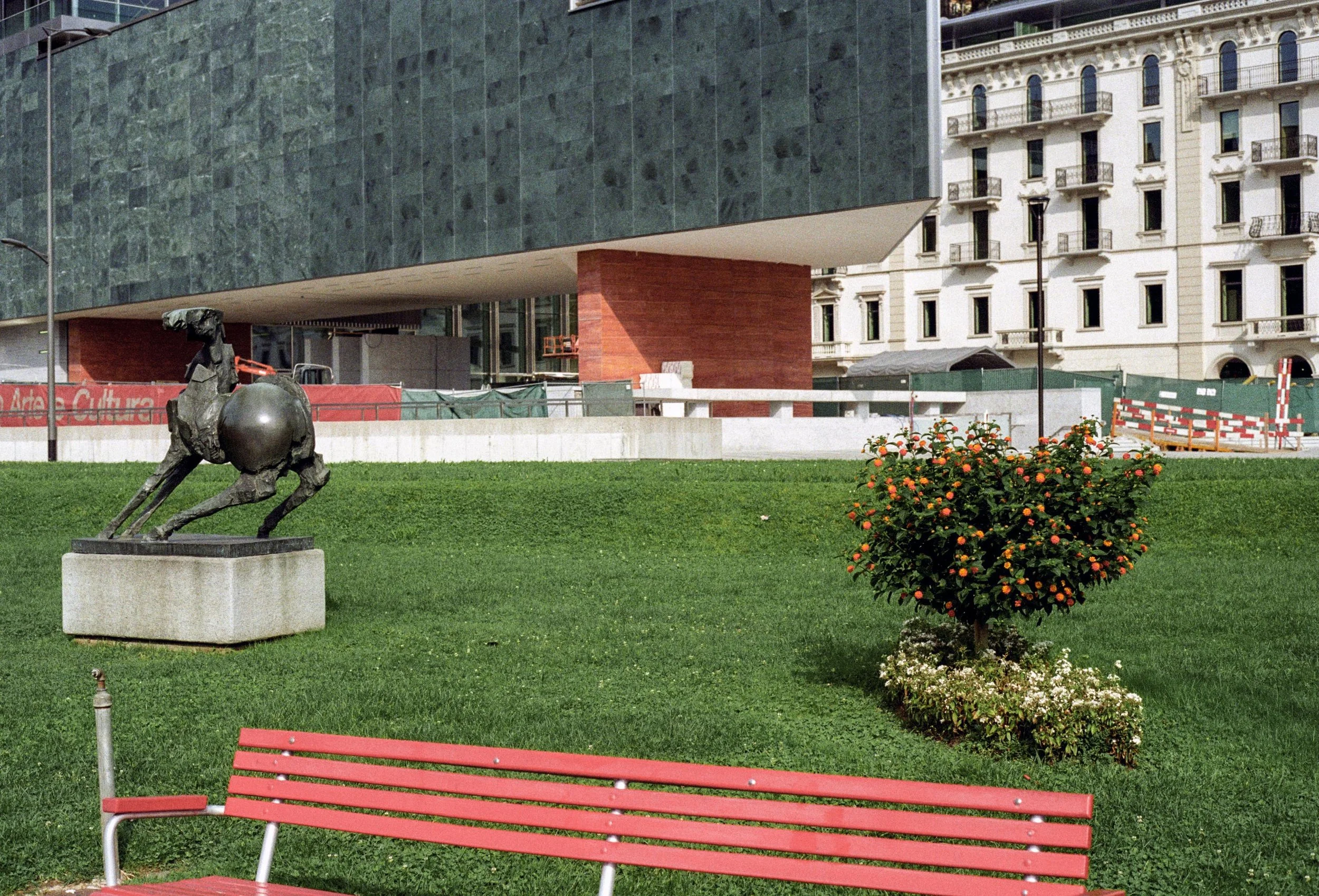
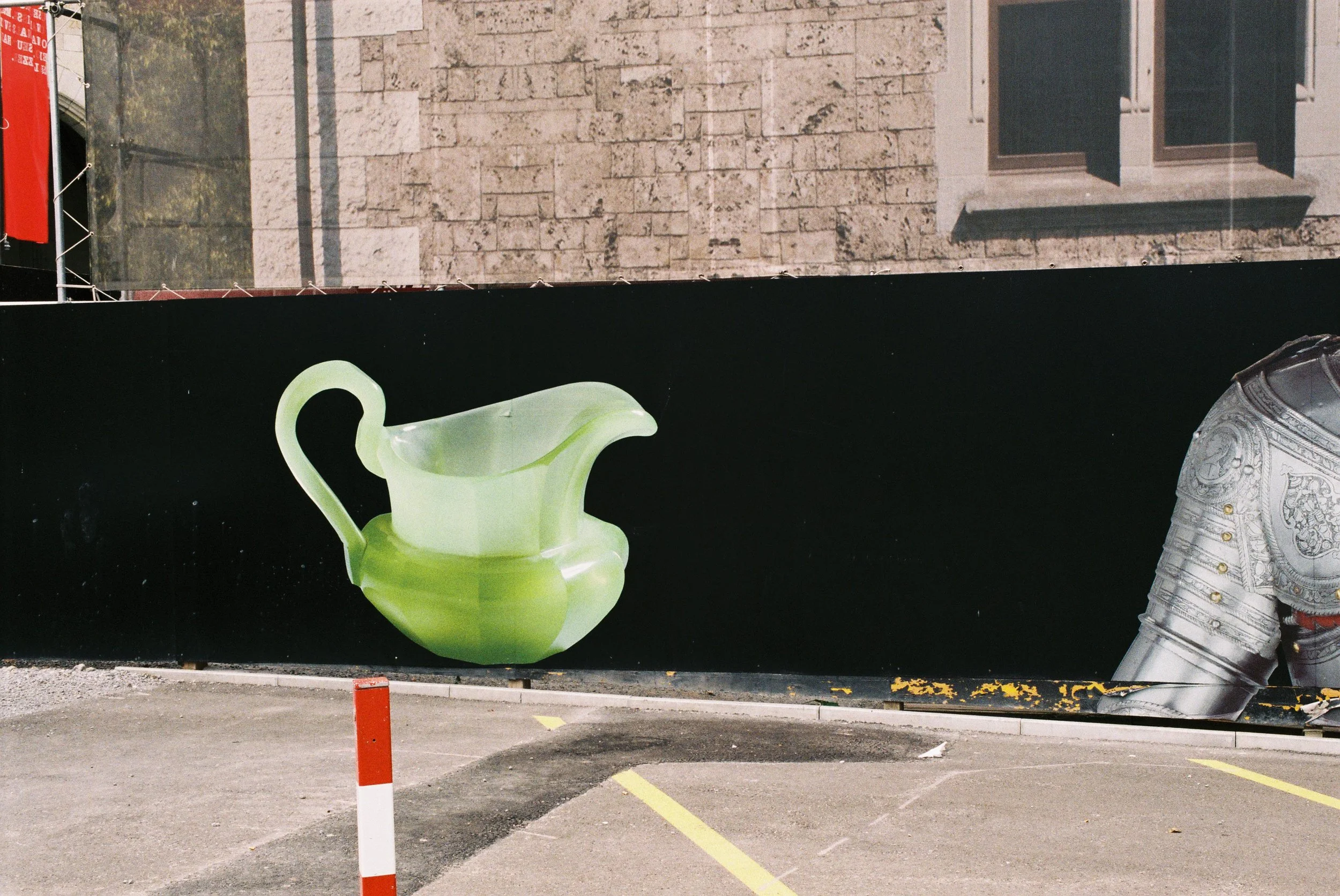
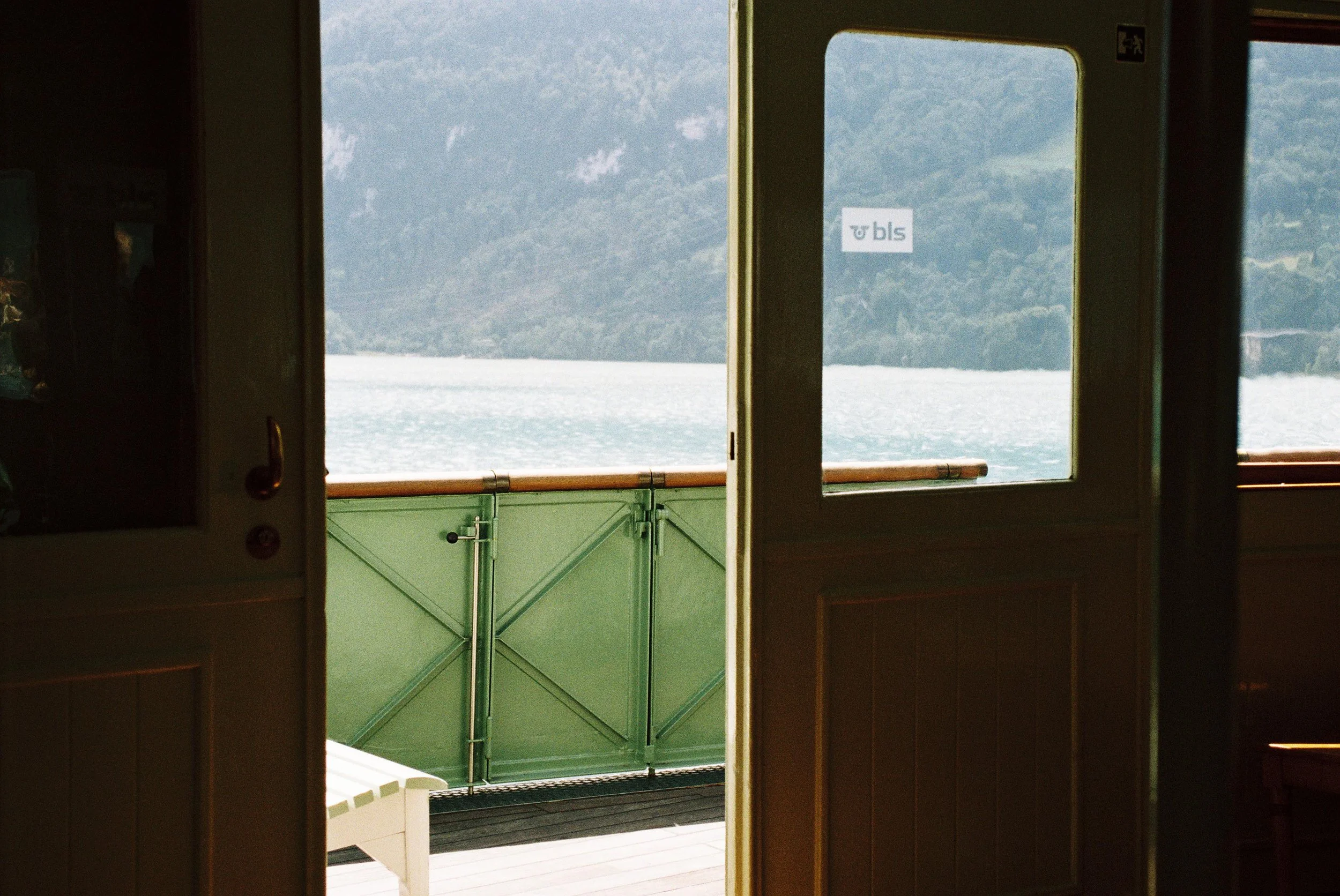
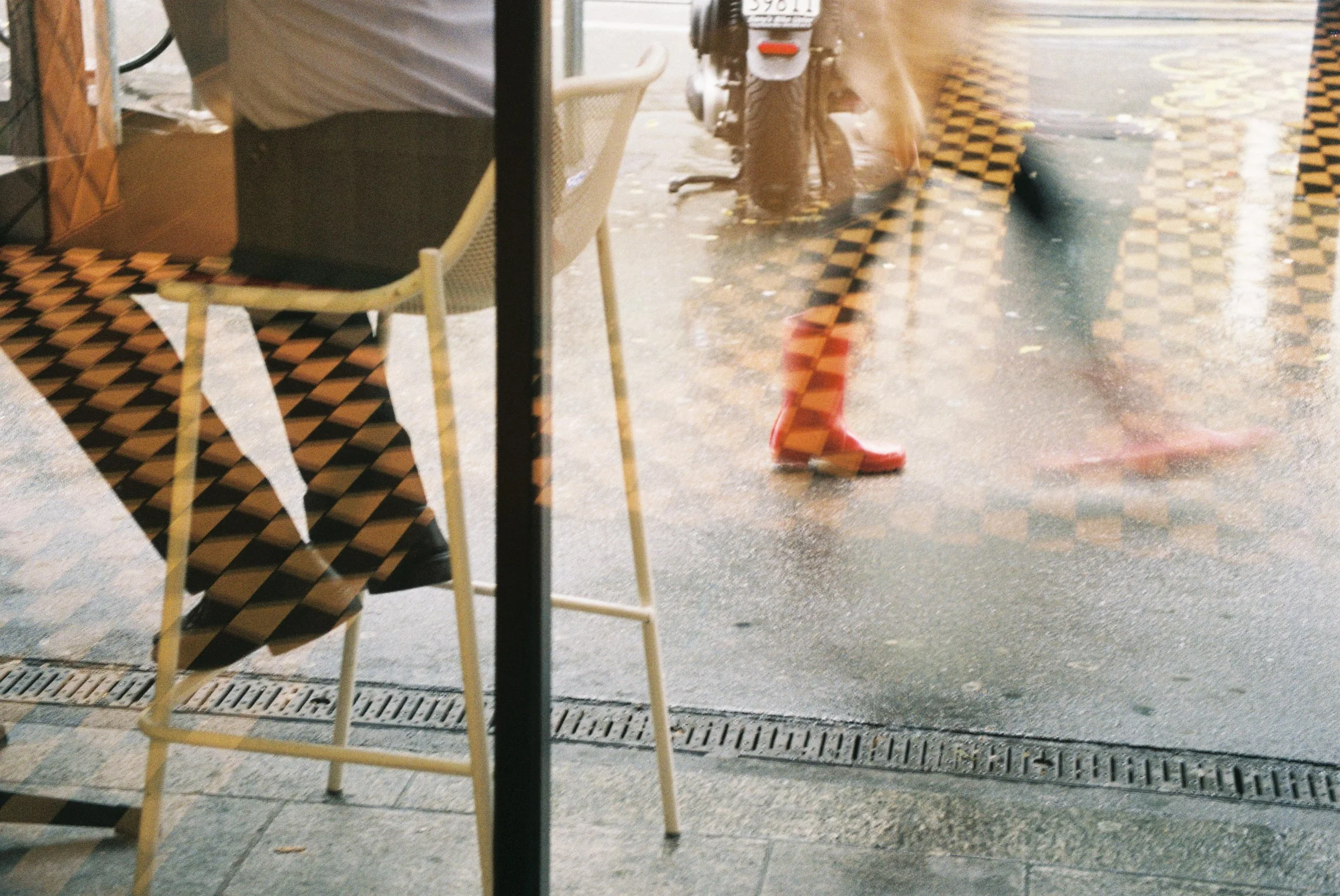
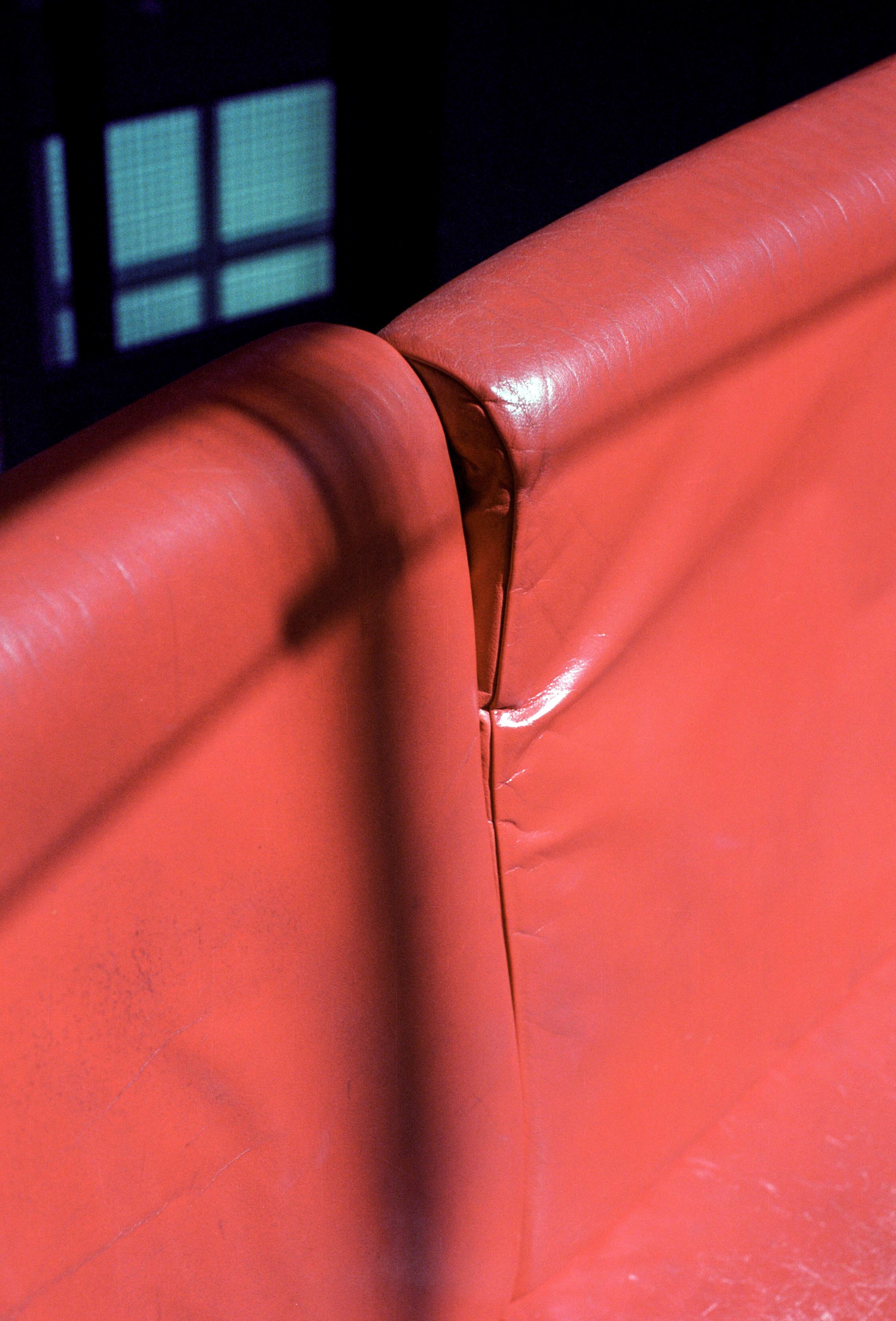
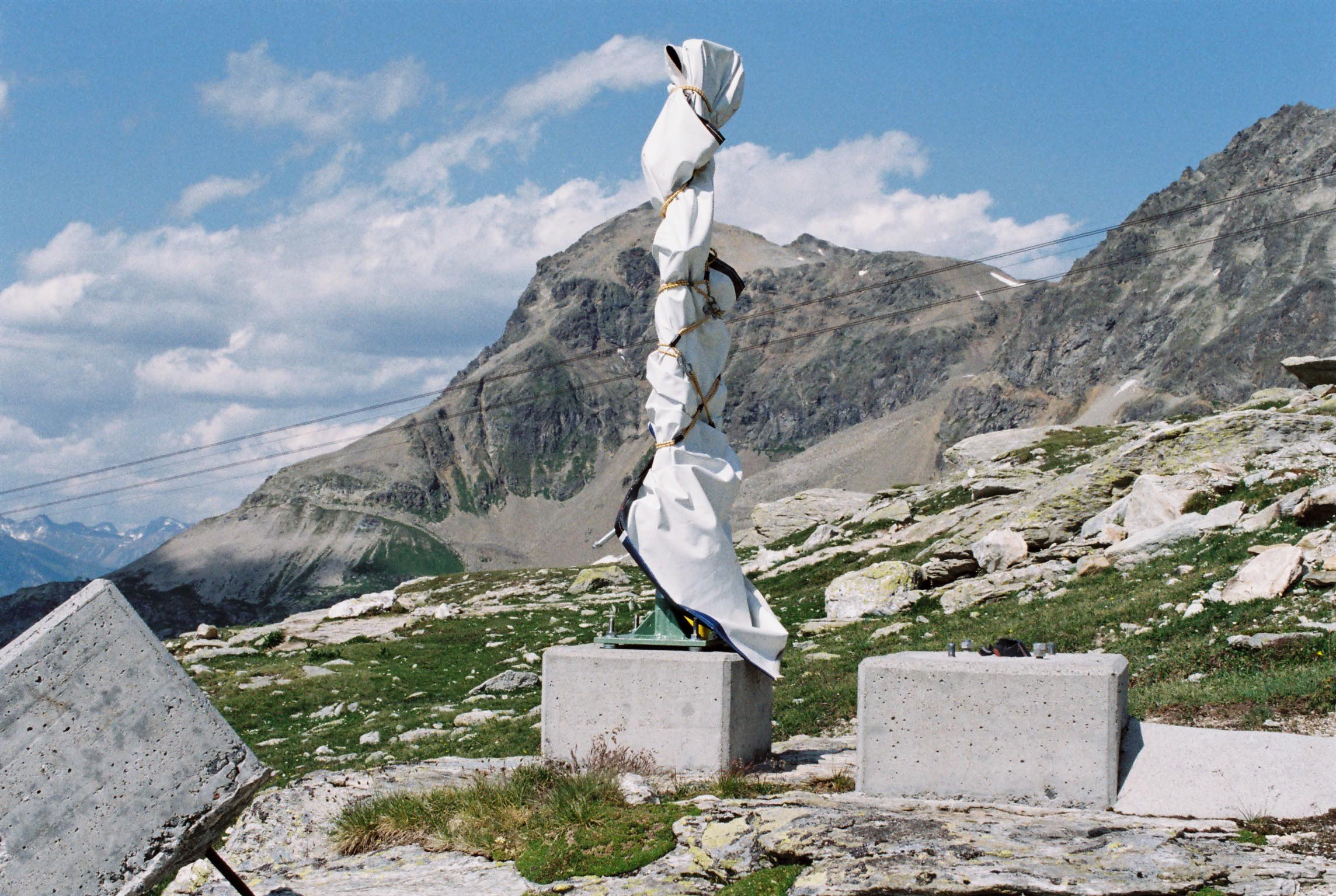
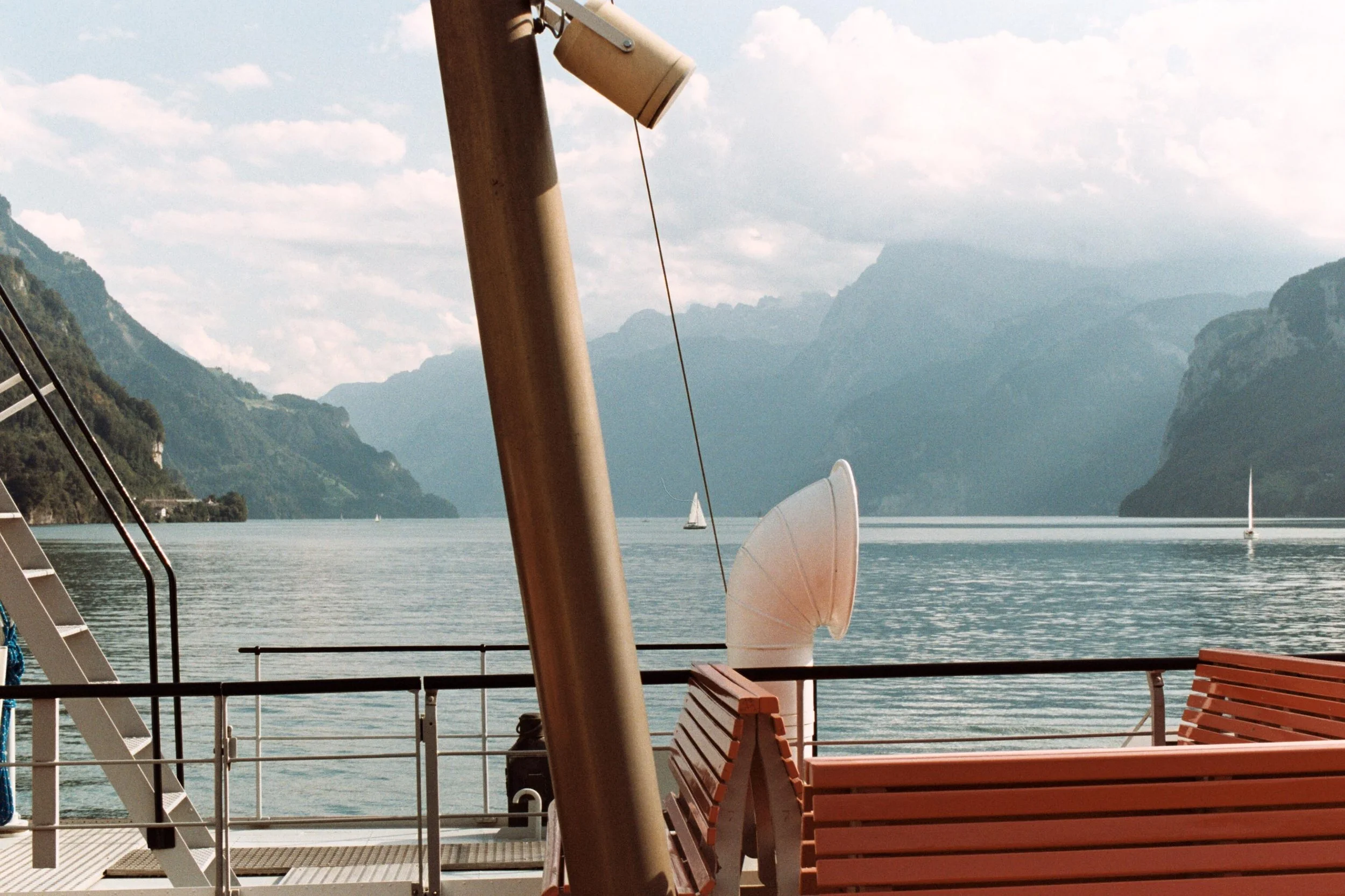
I went to Switzerland, and then kept returning. I remember many afternoons of drift and solitude, in cities, in villages, on ferries, on hiking paths, in the landscape, and in the mountains. Something seemed to be held there in the collective trust, a long poem in an endangered language, microcosm of planetary vulnerability, and I found that I began to long for that terrain. To be more precise, I longed for how I longed for it when I was not in it, and how, when I was in it, I looked forward to being away again so I could long for it.
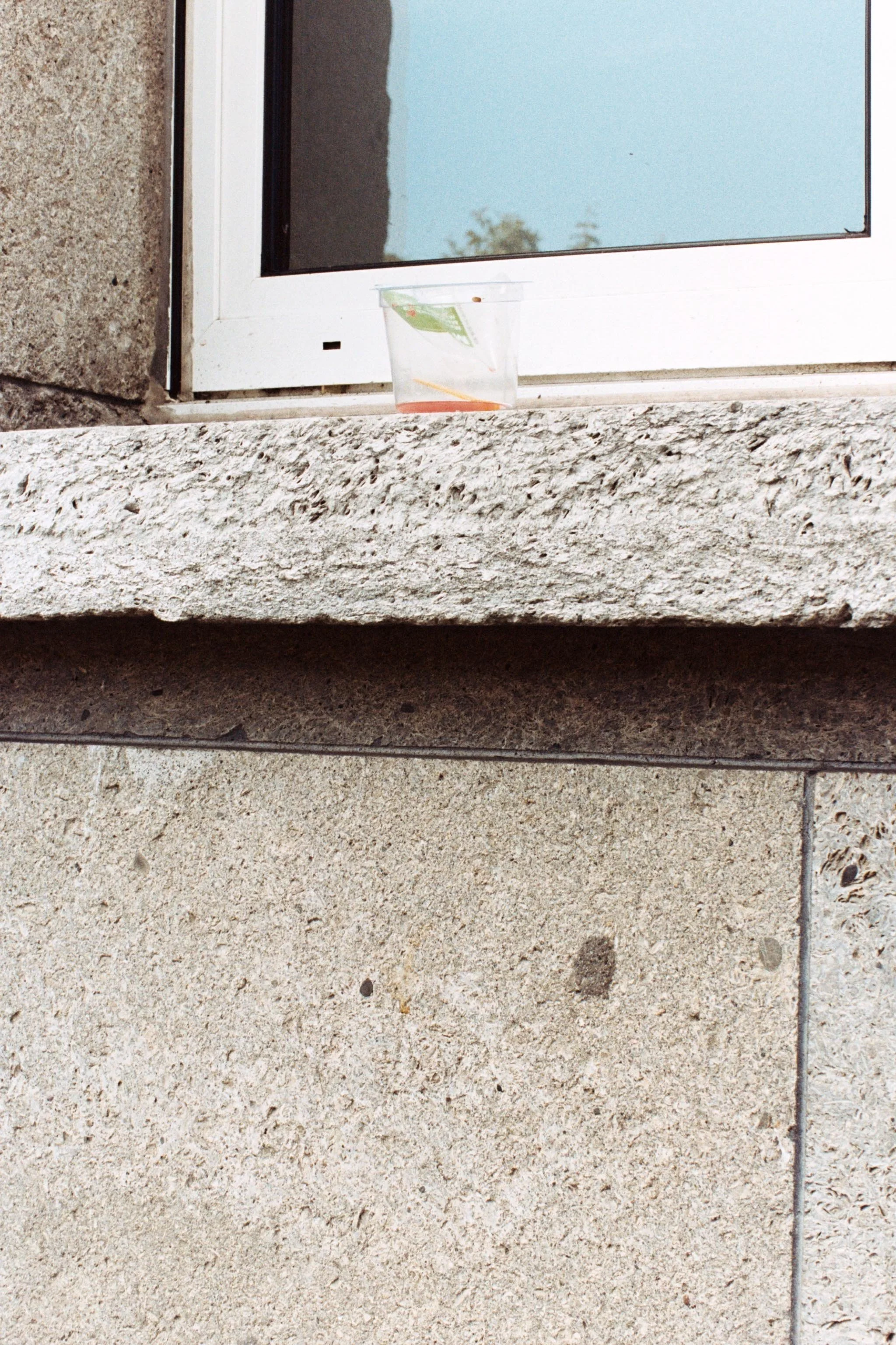
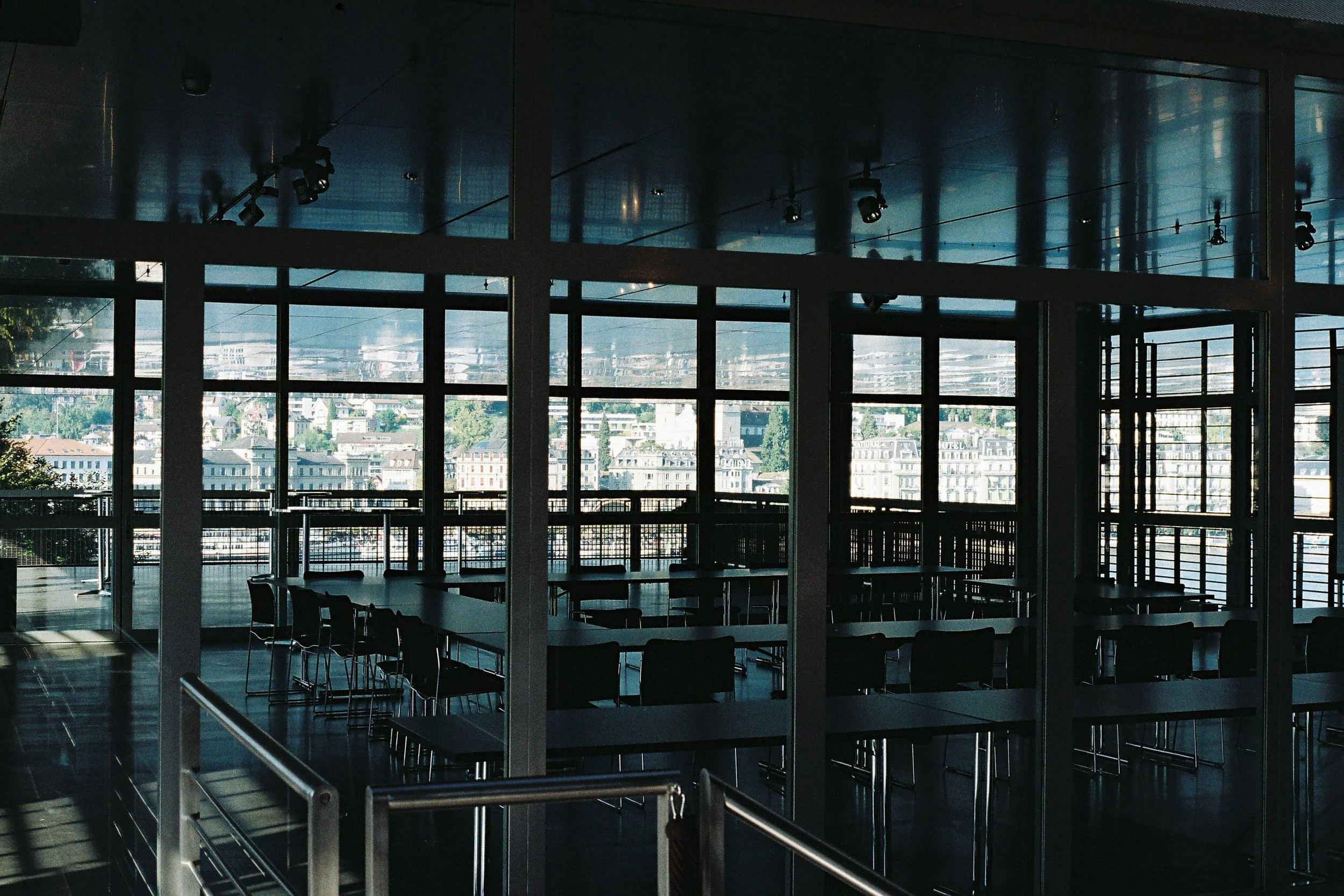
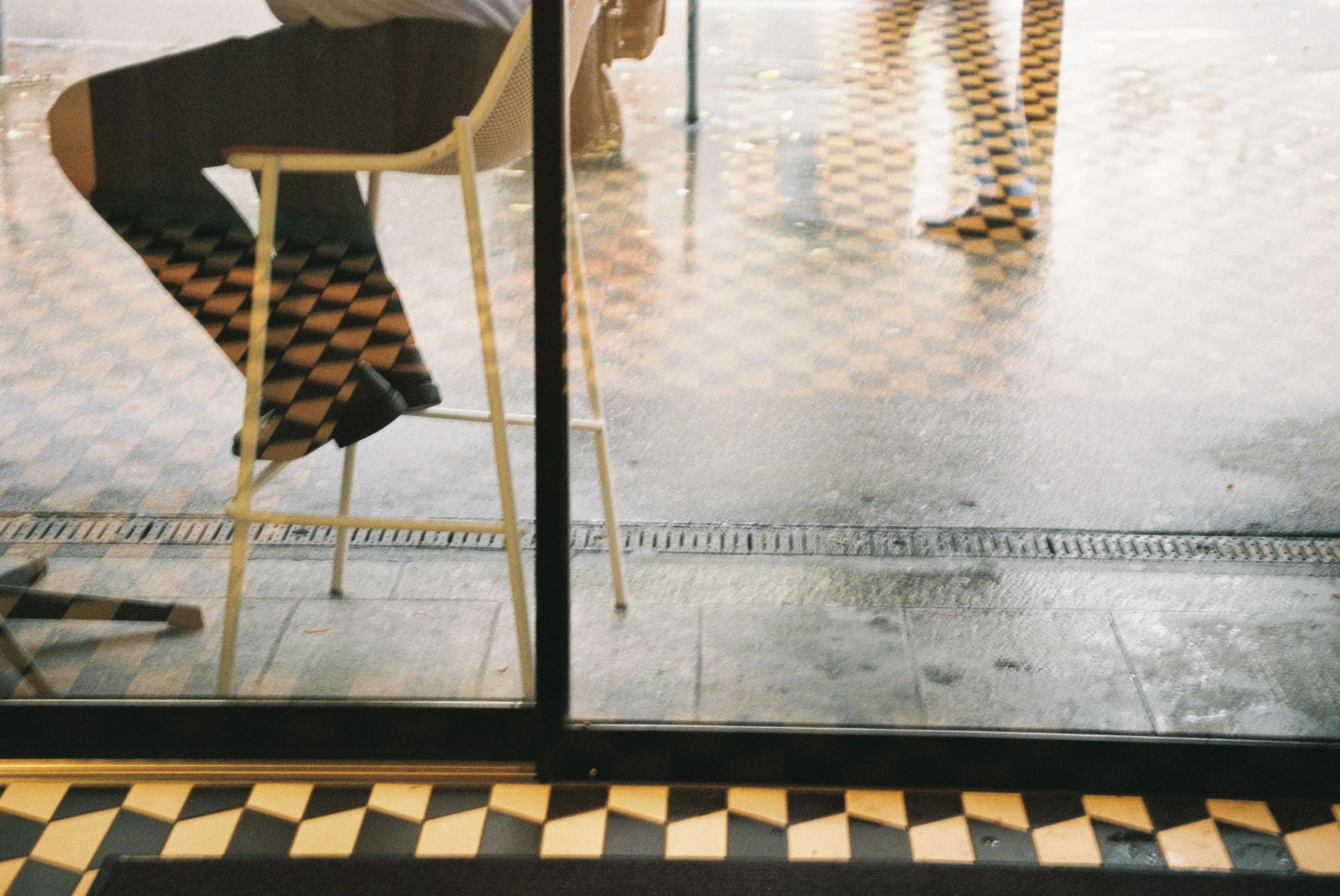
Infinite lake. Earth on fire. This book is the result of a half dozen trips to Switzerland between 2014 and 2018, the first of them a six month residency at the Literaturhaus Zürich.